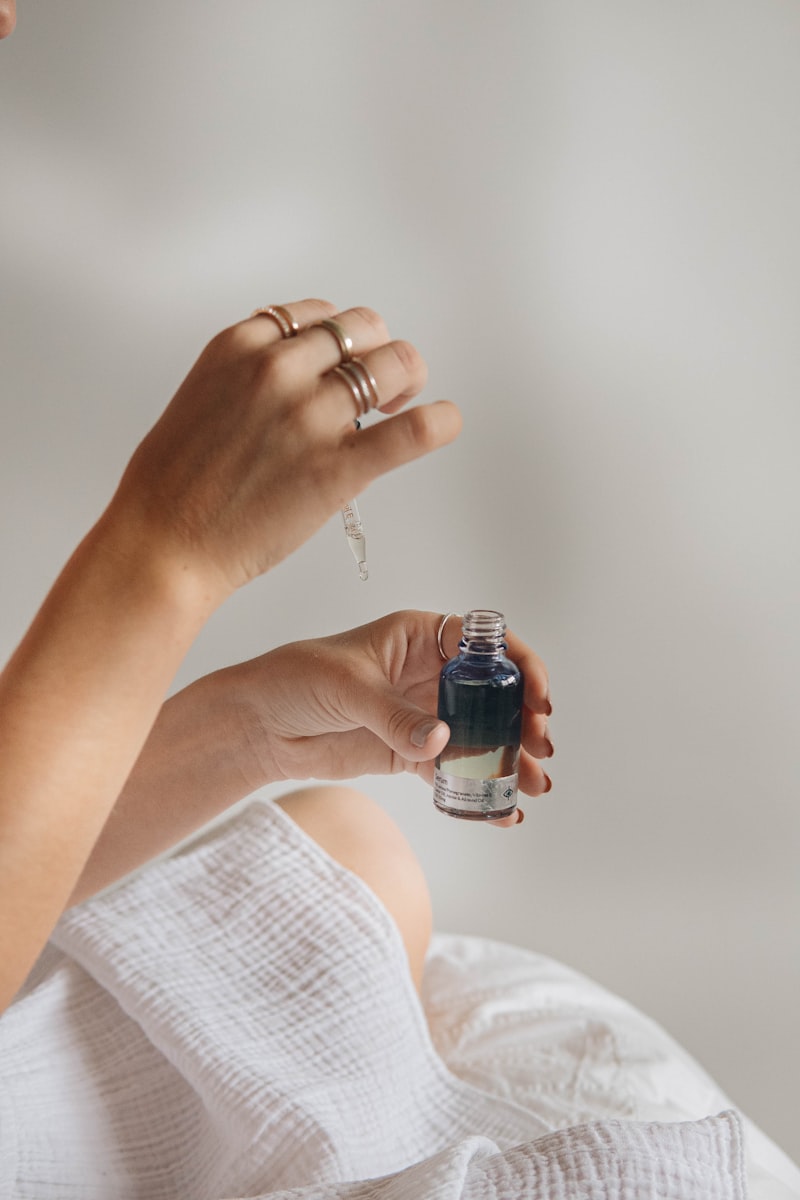
What Is a Facial Serum, and How Do You Actually Use One?
A master esthetician explains what facial serums actually do, when to use them in your routine, and how to choose the right one for your skin.
By Rita Almusa, Licensed Master Esthetician — 20+ years of experience
Introduction
Serums are the step in a skincare routine that confuses people the most — is it a moisturizer? Does it replace your moisturizer? Do you actually need one at all? As a Master Esthetician, this is one of the questions I get asked constantly, so let’s clear it up properly: what a serum actually is, why it’s worth adding to your routine, and how to actually use one correctly so you’re not wasting product or money.
What a Serum Actually Is
A serum is a lightweight, concentrated formula designed to deliver active ingredients deep into the skin. Unlike moisturizers, which are formulated primarily to hydrate and seal in moisture with heavier, larger molecules, serums use smaller molecules and thinner textures specifically so they can penetrate deeper into the skin rather than just sitting on the surface. That’s the core distinction: a moisturizer’s job is mainly to protect and hydrate; a serum’s job is to deliver a concentrated dose of active ingredients — antioxidants, hydrators, brightening agents, and more — directly where your skin can use them.
Why Serums Matter in a Routine
Because serums are so concentrated, they let you target specific skin concerns much more precisely than a general moisturizer can. If you’re dealing with dullness, uneven tone, dehydration, or early signs of aging, a targeted serum addresses that concern directly, while your moisturizer continues doing its job of maintaining the skin’s barrier and locking in hydration. Think of your moisturizer as the foundation of your routine and your serum as the specific treatment layered underneath it.
Common Types of Serums and What They Do
- Vitamin C serums are antioxidant-focused and are commonly used to help support a brighter, more even-looking complexion and help protect skin from daily environmental stressors.
- Hyaluronic acid serums are hydration-focused, drawing moisture into the skin and plumping the look of fine lines caused by dehydration.
- Collagen-supporting serums are typically used to help support skin’s natural elasticity and firmness over time.
- Niacinamide serums are often used to help support a more balanced, even-looking skin tone and texture.
How to Layer Multiple Serums
Once you’re comfortable with one serum, you may want to add a second to address a different concern — hydration in the morning and a treatment serum at night, for example. A few rules make layering work without overwhelming your skin:
- Thinnest to thickest, always. Apply the most watery, lightweight serum first, followed by progressively thicker formulas.
- Give each layer a minute to absorb before applying the next, rather than piling them on back to back.
- Avoid combining certain actives in the same session. Strong exfoliating acids and retinol, for example, are generally better used at different times rather than layered together, since combining them increases irritation risk.
- Two serums is usually the practical limit for most routines — beyond that, you’re more likely to overwhelm skin than see additional benefit.
Step-by-Step: How to Actually Use a Serum
1. Cleanse First
Always apply serum to freshly cleansed skin. Layering it over the top of leftover makeup, sunscreen, or the previous day’s products reduces how well it can absorb.
2. Apply to Slightly Damp Skin
A lightly damp face (right after cleansing, before fully drying off) helps serum spread more evenly and absorb more effectively.
3. Use the Right Order
The general rule is thinnest to thickest: cleanser, toner (if you use one), serum, moisturizer, and SPF during the day. Serum goes on before your moisturizer, not after.
4. Use a Small Amount
Because serums are concentrated, a little goes a long way. Most serums only need a few drops for the entire face — using too much doesn’t improve results and just wastes product.
5. Pat, Don’t Rub, Into Skin
Gently press the serum into your skin with your fingertips rather than rubbing it in aggressively. This helps with absorption and is gentler on the skin.
6. Follow With Moisturizer
Always seal your serum in with a moisturizer. Skipping this step lets the serum’s benefits evaporate before your skin has fully absorbed them.
The Beauty Tips Guide
20+ years as a Licensed Master Esthetician and Makeup Artist, condensed into one guide.
Common Mistakes to Avoid
- Skipping moisturizer after serum. Serum alone isn’t enough to lock in hydration for most skin types — the moisturizer step matters.
- Using too many serums at once. Layering four or five different active serums can overwhelm skin and cause irritation. Start with one or two and build gradually.
- Applying serum over makeup or dirty skin. This dramatically reduces how well the active ingredients can actually reach your skin.
- Expecting overnight results. Most serums, especially ones targeting tone or firmness, take consistent use over several weeks to show a visible difference.
Serum Myths Worth Clearing Up
“More expensive means more effective.” Price often reflects packaging, brand, and marketing as much as formulation. Look at the actual active ingredients and their concentration rather than the price tag alone.
“You need a serum for every single concern.” A focused routine with one or two well-chosen serums, used consistently, will generally outperform a five-serum routine used inconsistently because it’s overwhelming to keep up with.
“Natural or organic automatically means gentler.” Natural ingredients can still cause irritation or allergic reactions. What matters more is whether a specific ingredient suits your specific skin, regardless of its origin.
“Serums replace the need for SPF.” No serum, no matter how advanced its antioxidant content, replaces daily sun protection. Antioxidant serums support your skin’s defense against environmental stress, but they work alongside SPF, not instead of it.
How to Choose the Right Serum for You
Start with your primary skin concern rather than buying based on trends. If your main concern is dullness or uneven tone, start with a vitamin C serum. If it’s dehydration or fine lines from dryness, start with a hyaluronic acid serum. You can layer multiple serums as your skin adjusts, but starting focused on one concern makes it much easier to actually tell what’s working.
Pro Tips
- Store vitamin C serums away from direct sunlight — this type of active is prone to breaking down with light and heat exposure, which reduces its effectiveness over time.
- Introduce new serums one at a time so you can identify what’s causing any reaction if your skin responds poorly.
- Morning and night routines can use different serums — antioxidants like vitamin C in the morning, more targeted treatment serums at night.
- Patch test any new serum on your inner arm before applying to your full face, especially if you have reactive or sensitive skin.
Frequently Asked Questions
Can I use a serum without a moisturizer? You can, but most skin types will get better, longer-lasting results from sealing the serum in with a moisturizer afterward — it helps prevent the serum’s hydrating benefits from evaporating.
How long before I see results from a serum? Most people need four to six weeks of consistent use before noticing a meaningful difference. Serums targeting hydration tend to show results faster than ones targeting tone or firmness.
Can I make my own serum by mixing products at home? It’s best to avoid mixing raw actives yourself — commercial serums are formulated with specific pH levels and stabilizers to keep ingredients effective and safe together, which is difficult to replicate accurately at home.
Is it normal for a serum to tingle when I apply it? A slight, brief tingling sensation can be normal with some active ingredients, especially vitamin C or exfoliating acids. Persistent burning, redness, or discomfort is not normal and means you should stop use and consult a dermatologist if it continues.
Conclusion
A good serum is one of the most efficient ways to target a specific skin concern, but it only works if it’s used correctly and consistently. Start with one serum that matches your biggest concern, use it correctly in your routine, and give it real time to work before judging the results. Watch the full video above for more on how I personally choose and layer serums in my own routine. ✨
Related Posts
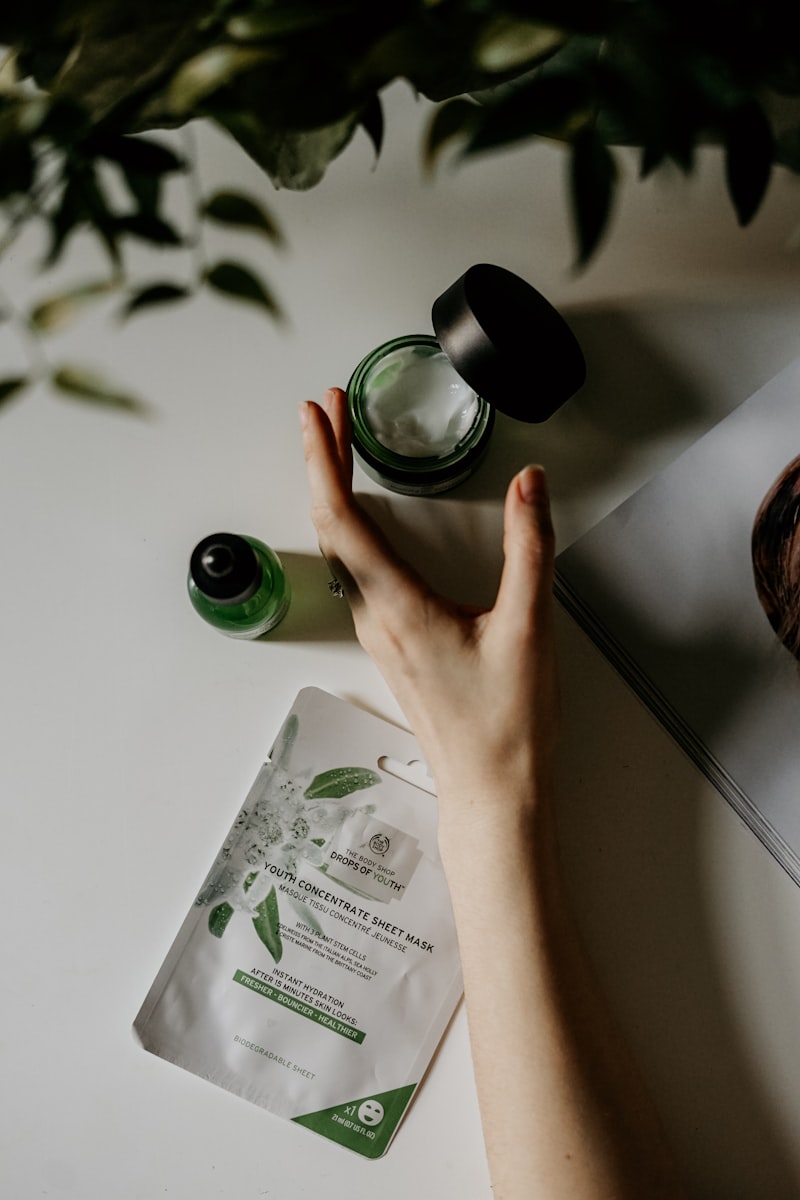
My Nighttime Skincare Routine: An At-Home Facial Anyone Can Do
A licensed esthetician's full nighttime skincare routine — a step-by-step at-home facial ritual for glowing skin, in the right order.
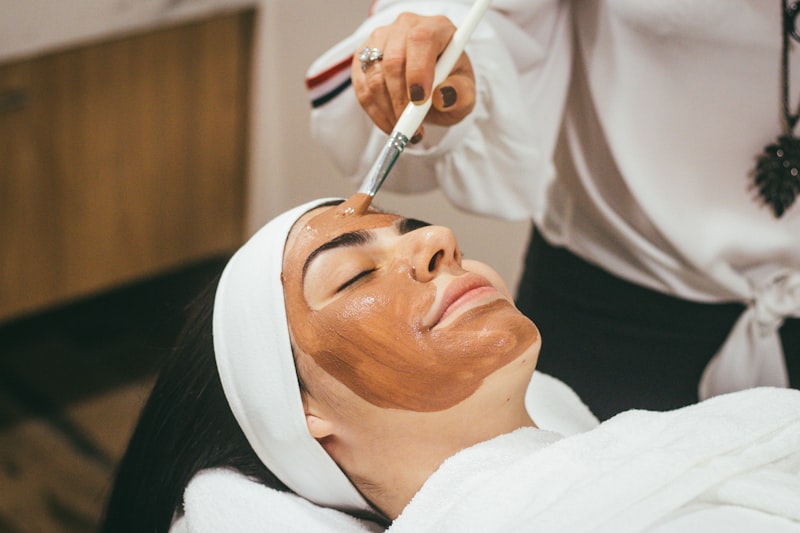
At-Home Face Waxing: A Master Esthetician's Safety-First Guide
A licensed Master Esthetician's step-by-step guide to safely waxing facial hair at home, including who should avoid it and how to prevent irritation.
Get Flawless, Glowing Skin Without Highlighter
A Master Esthetician busts the highlighter myth for textured skin, and shares how to achieve a genuinely radiant, glowy finish without it.
How to Remove All Your Makeup Without Drying Out Your Skin
A Master Esthetician explains how to choose and use a gentle cleanser that fully removes makeup without stripping or drying out your skin.