At-Home Face Waxing: A Master Esthetician's Safety-First Guide
A licensed Master Esthetician's step-by-step guide to safely waxing facial hair at home, including who should avoid it and how to prevent irritation.
Introduction
Face waxing at home can genuinely save time and money compared to regular salon visits, but it’s also a technique where doing it incorrectly carries real risk of irritation, especially for certain skin types. As a licensed Master Esthetician, I want to walk through exactly how to wax your face safely at home, and be honest about who should skip this and see a professional instead.
An Important Safety Note Before You Start
If you’re prone to acne or frequent breakouts, I don’t recommend facial waxing — the process can cause additional inflammation and, in some cases, contribute to scarring, particularly around already-irritated skin. This isn’t a minor caveat; it’s a genuine reason to choose a different hair removal method if active acne is a regular concern for your skin.
Why Hard Wax Is the Better Choice for Facial Skin
Hard wax, which hardens and is removed without a cloth strip, is generally gentler on facial skin than soft strip wax, since it grips hair rather than the skin itself, reducing the irritation and redness that strip wax can cause on the face’s more delicate skin. Cirepil Blue hard wax is a professional-grade option well-suited to facial use specifically.
Prepping Skin Before Waxing
Cleanse thoroughly to remove any oil, makeup residue, or product buildup, since wax needs to grip clean hair and skin to work effectively. Apply a pre-wax product like an alcohol-free witch hazel to gently tighten pores and remove any last residue — alcohol-free specifically matters here, since alcohol-based products can over-dry and irritate skin that’s about to undergo a physical hair removal process.
Heating Wax to the Correct Temperature
Using a proper wax warmer ensures consistent, correct temperature — wax that’s too cool won’t grip hair effectively, while wax that’s too hot risks burning delicate facial skin. Always test the temperature on a small area, like your inner wrist, before applying to your face.
Applying and Removing Wax Correctly
Apply a thin, even layer in the direction of hair growth, let it set until it’s no longer tacky to the touch, then remove in one quick motion in the opposite direction of hair growth, pulling the skin taut with your other hand. A slow, hesitant pull tends to hurt more and can be less effective at fully removing hair than one confident, quick motion.
Aftercare Matters as Much as Technique
Freshly waxed skin is more vulnerable to irritation and sun sensitivity immediately afterward. Apply a gentle, fragrance-free moisturizer or aloe to calm the skin, and avoid direct sun exposure, retinoids, or other active ingredients on freshly waxed areas for at least 24 hours to let skin recover properly.
The Beauty Tips Guide
20+ years as a Licensed Master Esthetician and Makeup Artist, condensed into one guide.
Areas to Be Extra Careful With
The upper lip and brow area have more delicate skin and are more prone to visible irritation than other facial areas. Take extra care with technique here, and consider a patch test on a less visible area first if you’re new to facial waxing, to gauge how your skin reacts before waxing a highly visible area.
Who Should See a Professional Instead
Beyond active acne, anyone using retinoids, certain acne medications, or who has recently had other skin treatments should consult a professional before waxing at home, since these can significantly increase skin sensitivity and irritation risk. If you have any doubt about whether your skin is a good candidate for at-home waxing, that uncertainty itself is a good reason to see a professional for at least your first few sessions.
Common Mistakes to Avoid
- Waxing over active acne or recently irritated skin. This can worsen inflammation and carries a real risk of scarring.
- Using strip wax instead of hard wax on facial skin. Hard wax is generally gentler and better suited to the face specifically.
- Skipping temperature testing before full application. Wax that’s too hot risks burning delicate facial skin.
- Applying active skincare ingredients immediately after waxing. Freshly waxed skin needs gentle, fragrance-free aftercare and a break from actives for at least 24 hours.
Pro Tips
- Always patch test a new wax product on a small area first, especially if you have sensitive skin or haven’t waxed your face before.
- Pull skin taut during removal for a cleaner result with less discomfort.
- Avoid sun exposure on freshly waxed skin for at least a day, since it’s more vulnerable to sensitivity immediately after.
- Consult a professional for your first session or two if you’re new to facial waxing, to build confidence before doing it fully solo.
Frequently Asked Questions
Is it safe to wax your face if you’re prone to acne? Generally not recommended — waxing can cause additional inflammation and, in some cases, contribute to scarring on acne-prone or actively breaking-out skin.
Should I use hard wax or strip wax on my face? Hard wax is generally the better choice for facial skin, since it grips hair rather than skin, reducing irritation compared to strip wax.
How do I avoid irritation after waxing? Apply a gentle, fragrance-free moisturizer or aloe afterward, avoid sun exposure and active ingredients like retinoids for at least 24 hours, and let the skin fully recover.
Can I use any hair removal wax on my face, or does it need to be different? Facial skin is more delicate than body skin, so using a wax specifically suited to facial use, at the correct temperature, matters more here than for body waxing.
Conclusion
At-home face waxing can be done safely with the right technique, product choices, and aftercare — but it’s genuinely not the right choice for everyone, especially acne-prone skin. Watch the full video above for the complete demonstration. ✨
Related Posts
My Nighttime Skincare Routine: An At-Home Facial Anyone Can Do
A licensed esthetician's full nighttime skincare routine — a step-by-step at-home facial ritual for glowing skin, in the right order.
How to Remove All Your Makeup Without Drying Out Your Skin
A Master Esthetician explains how to choose and use a gentle cleanser that fully removes makeup without stripping or drying out your skin.
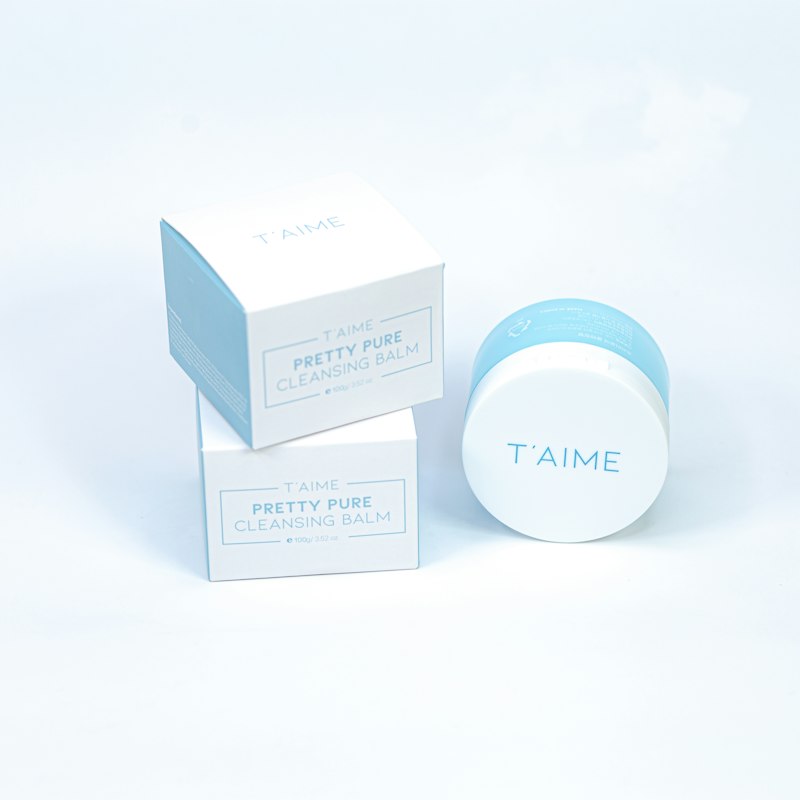
How to Actually Unclog Pores: An Esthetician's Real Routine
A Master Esthetician explains what actually unclogs pores versus what's just marketing, and how to build a genuinely effective pore-clearing routine.
My Secret Weapon for Blackheads: Oil Cleansing
A Master Esthetician explains why oil cleansing is genuinely effective against blackheads, and how to do it correctly for real results.