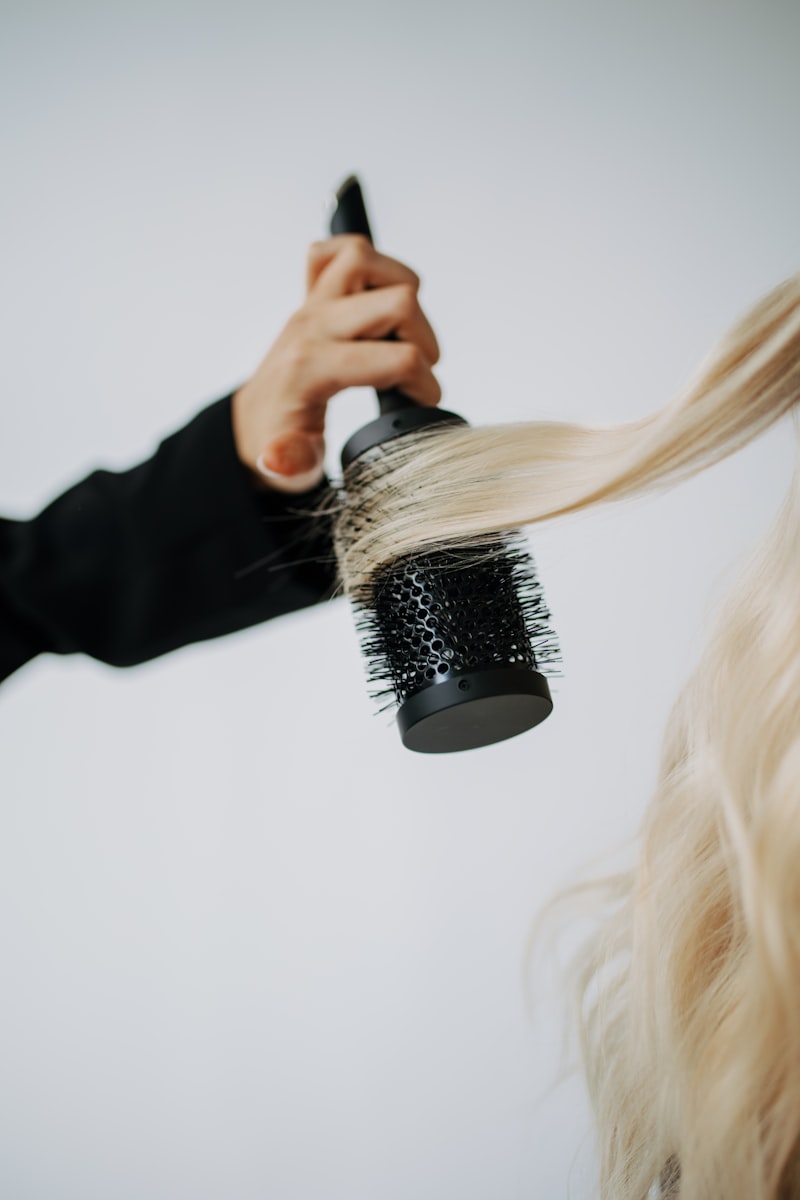
Is the TYMO Iconic Plus the Best Hair Tool for Beginners?
A Master Esthetician's honest, hands-on review of the TYMO Iconic Plus straightening brush for a sleek, smooth blowout at home — who it's actually best for.
Introduction
A good straightening brush promises salon-smooth results without the learning curve of a traditional flat iron, but not every one on the market actually delivers on that promise. As a Master Esthetician who’s tested more hair tools than I can count, I want to give my honest take on the TYMO Iconic Plus — whether it’s genuinely beginner-friendly, and how to actually get a smooth, sleek blowout with it at home.
What Makes a Straightening Brush Different From a Flat Iron
Unlike a traditional flat iron, which requires you to clamp and pull small, precise sections, a straightening brush combines heated plates with bristles, letting you brush through larger sections of hair in one pass while still applying heat. This is a big part of why these tools read as more beginner-friendly — the margin for error on section size and technique is much more forgiving than with a standard iron.
First Impressions of the Iconic Plus
Heat-up time is fast, and the temperature settings are clearly marked, which matters for anyone still learning what heat level is appropriate for their hair type and thickness. The brush glides through hair smoothly without excessive tugging, which is genuinely important — a straightening brush that snags is significantly more frustrating (and damaging) to use than one that moves cleanly.
Prepping Hair Before You Start
Always start with clean, fully dry hair — heat styling over damp hair, even with a tool marketed as gentler than a flat iron, significantly increases damage risk. Apply a heat protectant thoroughly before you begin; I like IGK’s 4-in-1 Prep Spray, which combines leave-in conditioning, detangling, and heat protection in a single step, making prep faster without skipping the protective layer your hair actually needs.
Sectioning for the Smoothest Results
Work in sections roughly one to two inches wide, starting at the back of your head and working forward — thinner sections give the tool more consistent contact with each strand, producing smoother, more even results than trying to run it through one large chunk of hair at once. A wood paddle brush is genuinely useful for clean sectioning and smoothing flyaways before you bring the heated brush through.
Technique: Slow and Steady Wins
Move the brush through each section slowly and steadily rather than rushing — a straightening brush needs enough contact time with the hair to actually smooth the cuticle, and moving too quickly is one of the most common reasons people don’t get the sleek result they’re expecting from this category of tool. One consistent, unhurried pass generally outperforms several rushed ones.
Building Soft Waves, Not Just Straight Hair
One of the genuinely nice things about this style of tool is that it’s not limited to poker-straight results — rotating your wrist slightly at the ends as you pull through creates soft, bending waves rather than a flat, straight finish. This versatility is part of why these tools have become popular beyond just straightening.
The Beauty Tips Guide
20+ years as a Licensed Master Esthetician and Makeup Artist, condensed into one guide.
Who This Tool Is Actually Best For
If you’re newer to heat styling and have found traditional flat irons intimidating or hard to control, a straightening brush like this is a genuinely good entry point — the learning curve is real, but noticeably gentler. If you already have strong flat-iron technique and want maximum precision (sharp, crisp lines, or very tight curls), a traditional iron still offers more control for those specific results.
Caring for Heat-Styled Hair
Regular use of any heat tool, even a gentler one, benefits from a genuine smoothing treatment in your routine periodically to counteract cumulative heat exposure. Don’t skip heat protectant on any styling day, regardless of how gentle a specific tool is marketed as being — that step is non-negotiable for long-term hair health.
Common Mistakes to Avoid
- Skipping heat protectant because the tool feels gentler than a flat iron. Any heat styling tool benefits from this protective step.
- Using sections that are too large. Thinner sections give more consistent, even results.
- Moving too quickly through each section. Slow, steady passes actually smooth the hair cuticle.
- Styling over damp hair. Always start with hair that’s fully dry.
- Using too high a heat setting for fine or damaged hair. Match your setting to your actual hair type and condition.
Pro Tips
- Start on a lower heat setting and only increase if you’re not getting the result you want, rather than defaulting to the highest setting.
- Rotate your wrist slightly at the ends for soft waves instead of a flat, straight finish.
- Section with a proper paddle brush first to remove tangles and flyaways before heat styling.
- Deep-condition regularly if you’re using any heat tool often, to counteract cumulative styling stress on the hair.
Frequently Asked Questions
Is a straightening brush easier to use than a flat iron for beginners? Generally yes — the combination of bristles and heated plates is more forgiving of imperfect technique than a traditional iron’s precise clamping motion.
Can this type of tool create waves, not just straight hair? Yes — rotating your wrist slightly at the ends as you pull the brush through creates soft waves rather than a flat, straight result.
How often should I use heat styling tools like this? This depends on your hair’s individual tolerance, but regular heat styling of any kind benefits from periodic deep conditioning and consistent heat protectant use every session.
Do I need to section my hair for this tool to work well? Yes — thinner, more consistent sections produce smoother, more even results than trying to run the tool through large chunks of hair at once.
Conclusion
The TYMO Iconic Plus is a genuinely solid, more forgiving entry point into heat styling for anyone newer to the process, with real versatility between sleek straight styles and soft waves. Watch the full video above for the complete tutorial. ✨
Related Posts
EMS Head Spa Pro Review: Does This Scalp Massager Actually Help Hair Growth?
A Master Esthetician's honest review of the Mytrex EMS Head Spa Pro scalp massager — how EMS technology works, realistic expectations, and important safety notes.
I Tried a Vibrating Facial Cleansing Wand — Here's My Honest Review
An esthetician's honest review of vibrating facial cleansing wands — how they actually help your routine, and how to use one correctly.
Do Microcurrent Facial Devices Actually Work? An Esthetician's Honest Take
A licensed esthetician breaks down how microcurrent facial devices actually work, what's realistic marketing vs. hype, and what results to expect.
Tymo Airbeam Blowout Tutorial: A Faster Way to Style Your Blowout at Home
How to get a smooth, voluminous blowout at home with a hot-air styling brush like the Tymo Airbeam — technique, sectioning, and common mistakes.