Tinted SPF: Why It Should Be Your Summer Skin Savior
A Master Esthetician explains why a tinted SPF is one of the smartest additions to a summer routine, and how to choose and apply one correctly.
By Rita Almusa, Licensed Master Esthetician — 20+ years of experience
Introduction
Tinted SPF products have become genuinely popular for good reason — they combine real sun protection with a light wash of color, letting you skip a separate foundation step on days you want something simpler. As a Master Esthetician, I want to walk through why a tinted SPF deserves a permanent place in your summer routine, and how to choose and apply one for the best results.
Why Tinted SPF Solves a Real Problem
A lot of people skip sunscreen under makeup, either because it feels like an extra step or because it doesn’t play well under foundation. A tinted SPF solves this by combining sun protection and light coverage into a single step, which genuinely increases the odds you’ll actually wear sunscreen consistently — the best SPF product is always the one you’ll actually use every day, not the theoretically “best” formula sitting unused in a drawer.
What to Look for in a Tinted SPF Formula
Prioritize broad-spectrum protection of at least SPF 30, ideally SPF 40 or higher for extended outdoor time. Beyond the SPF number itself, look for a formula that feels lightweight rather than heavy or greasy, since a tinted SPF is meant to feel more like a hybrid skincare-makeup product than a full, heavy foundation.
Mineral vs. Chemical Tinted SPF
Both formula types can work well, but they behave differently on skin. Mineral formulas (typically zinc oxide or titanium dioxide) sit on top of the skin and reflect UV rays, and tend to be a better choice for sensitive or acne-prone skin. Chemical formulas absorb into the skin and convert UV rays into heat, and often feel lighter and blend more seamlessly, but can be more irritating for some sensitive skin types. Neither is universally “better” — the right choice depends on your specific skin’s tolerance.
How Much Coverage Can You Actually Expect?
Tinted SPF typically provides light, sheer coverage — enough to even out tone and reduce the appearance of minor redness or unevenness, but not full coverage for significant discoloration, acne, or dark spots. If you need more coverage than a tinted SPF provides, layer a lightweight concealer only where needed rather than reaching for a heavier, separate foundation on top.
Applying Enough Product for Real Protection
This is one of the most common mistakes with any SPF product, tinted or not: most people apply significantly less than what’s needed to achieve the SPF rating listed on the product. Use a genuinely generous amount — about a quarter-sized dollop for the face alone — rather than a thin, makeup-like layer, even though this feels like more product than you’d typically use for a foundation.
Don’t Forget to Reapply
SPF protection degrades over the course of a day, particularly with sun exposure, sweat, or water contact, which means a single morning application isn’t enough for a full day outdoors. A powder or spray SPF designed for reapplication over makeup makes this significantly easier without disturbing your base.
The Beauty Tips Guide
20+ years as a Licensed Master Esthetician and Makeup Artist, condensed into one guide.
Tinted SPF Isn’t Just for Summer
While the “summer skin savior” framing is accurate, UV exposure happens year-round, including on cloudy days and through windows. A tinted SPF is genuinely worth wearing daily, not just during peak summer months, if you’re looking for a simple, low-effort way to build consistent sun protection into your routine.
Common Mistakes to Avoid
- Applying too little product to actually achieve the labeled SPF rating. Use a generous amount, not a thin, makeup-like layer.
- Skipping reapplication during a long day outdoors. A single morning application isn’t sufficient for extended sun exposure.
- Expecting full coverage from a tinted SPF. It provides light, sheer coverage — layer targeted concealer for more coverage where needed.
- Only wearing tinted SPF in summer. UV exposure is a year-round concern, not a seasonal one.
- Choosing a formula based on trends rather than your own skin’s tolerance. Mineral and chemical formulas both work well, depending on your specific skin.
Pro Tips
- Use a quarter-sized amount for your face to actually achieve the labeled SPF protection level.
- Keep a powder or spray SPF in your bag for midday reapplication without disturbing your base makeup.
- Choose mineral formulas if you have sensitive or acne-prone skin, since they tend to be better tolerated.
- Wear it daily, not just in summer, for consistent, low-effort sun protection year-round.
Frequently Asked Questions
Does tinted SPF provide enough sun protection on its own? Yes, when applied generously and reapplied as needed throughout the day — the SPF rating is genuine sun protection, not just a marketing detail, as long as enough product is used.
Can I skip foundation entirely if I wear tinted SPF? On many days, yes — tinted SPF provides enough light coverage for a simple, natural look. For more coverage, layer concealer only where needed rather than adding a full foundation on top.
Is mineral or chemical tinted SPF better? Neither is universally better — mineral formulas tend to suit sensitive or acne-prone skin better, while chemical formulas often feel lighter and blend more seamlessly. Choose based on your own skin’s tolerance.
How often should I reapply tinted SPF during the day? Every two hours during direct sun exposure is the general guideline, using a powder or spray formula designed for reapplication over makeup.
Conclusion
A tinted SPF genuinely solves the problem of skipped sunscreen by combining real protection with light, wearable coverage in one simple step — worth wearing daily, not just in summer. Watch the full video above for more on building this into your routine. ✨
Related Posts
My Nighttime Skincare Routine: An At-Home Facial Anyone Can Do
A licensed esthetician's full nighttime skincare routine — a step-by-step at-home facial ritual for glowing skin, in the right order.
At-Home Face Waxing: A Master Esthetician's Safety-First Guide
A licensed Master Esthetician's step-by-step guide to safely waxing facial hair at home, including who should avoid it and how to prevent irritation.
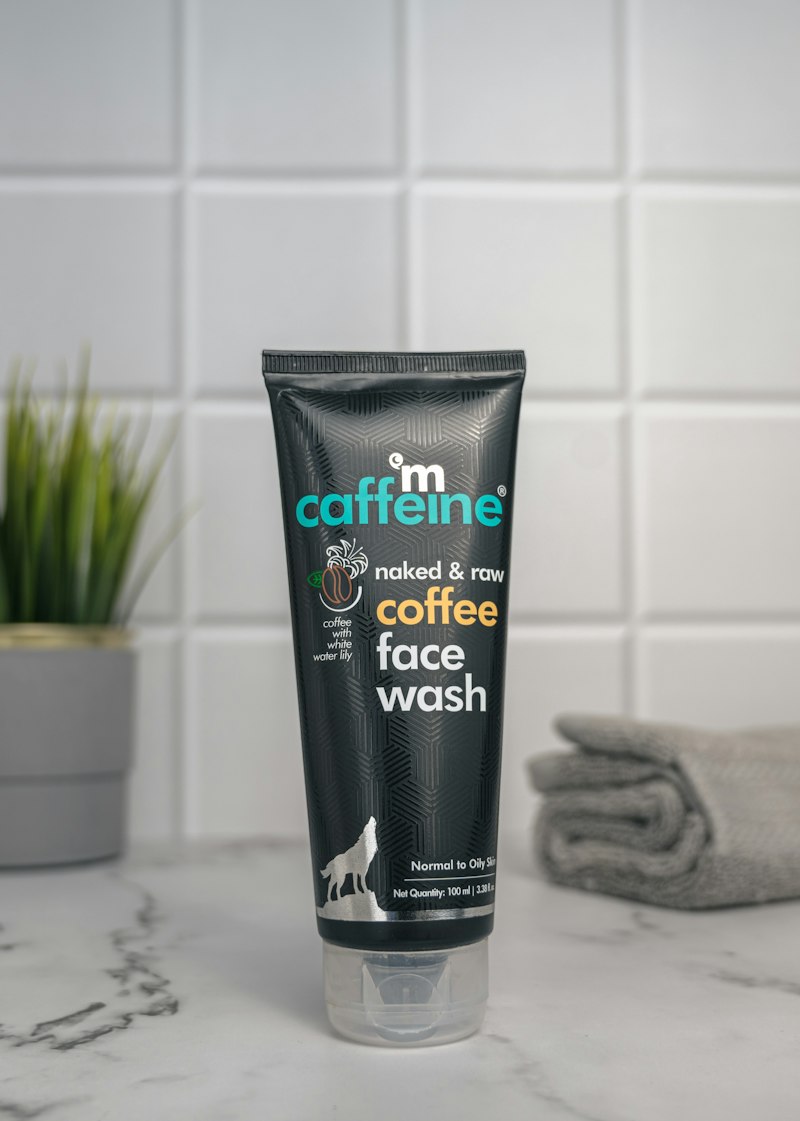
How to Remove All Your Makeup Without Drying Out Your Skin
A Master Esthetician explains how to choose and use a gentle cleanser that fully removes makeup without stripping or drying out your skin.
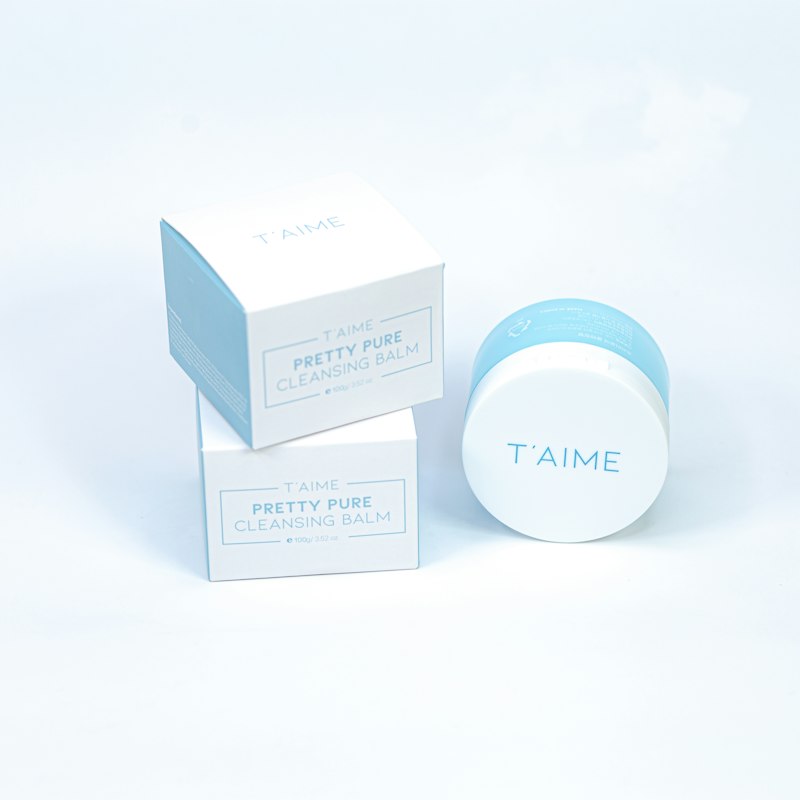
How to Actually Unclog Pores: An Esthetician's Real Routine
A Master Esthetician explains what actually unclogs pores versus what's just marketing, and how to build a genuinely effective pore-clearing routine.