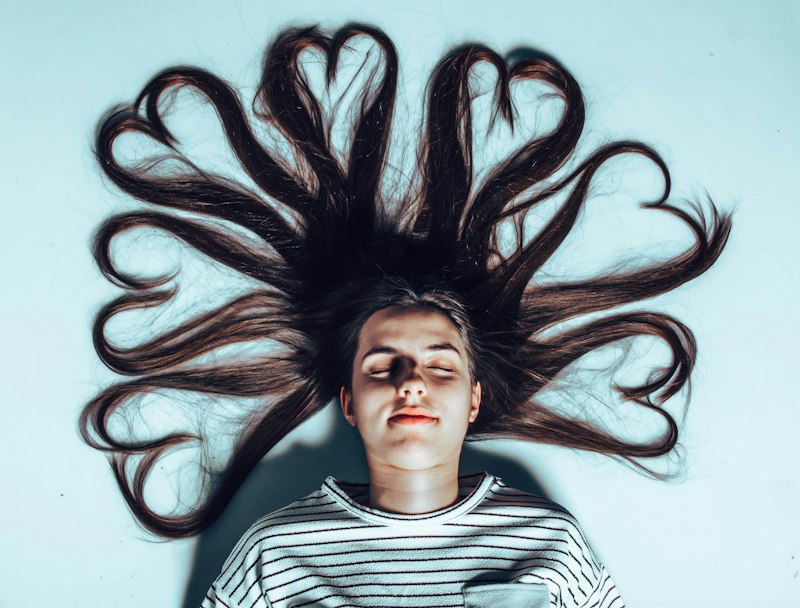
The Texturizing Trick That Makes Thin Hair Look Thicker
A professional styling technique for creating genuine volume and texture in thin or fine hair — no extensions or heavy products required.
Introduction
Fine or thin hair doesn’t have to mean flat, limp styling — the right texturizing technique can create genuine visual volume without extensions, heavy products, or damaging heat styling. I want to walk through the professional approach to building texture in thin hair, the technique that actually makes the biggest difference.
Why Thin Hair Behaves Differently
Fine hair strands have a smaller individual diameter than thicker hair, which means they naturally lie flatter and have less inherent grip to hold a style. This isn’t about hair being unhealthy — it’s simply a structural difference that calls for a different styling approach than what works on naturally coarser or thicker hair.
The Foundation: Start With the Right Cut
Before any styling technique, a haircut with strategic layering genuinely helps thin hair appear fuller by removing the weight that pulls fine strands flat. If you haven’t discussed volume-focused layering with your stylist, that conversation is worth having before relying entirely on styling technique to compensate.
Texturizing Spray: The Actual Game-Changer
A texturizing spray, applied to dry or damp roots before styling, adds genuine grip and texture that fine hair strands can hold onto — this is fundamentally different from a volumizing mousse, which primarily lifts at the root, since texturizing spray changes how individual strands interact with each other throughout the length of the hair.
The Root-Lifting Technique
Apply your volumizing or texturizing product directly to the roots while hair is damp, then blow-dry with your head tipped upside down, directing airflow against the direction hair naturally falls. This root-lifting technique creates a foundational lift that subsequent styling builds on top of, rather than trying to add volume to hair that’s already dried flat.
Backcombing: The Classic Technique, Done Correctly
Light backcombing at the crown specifically — not throughout the entire head — creates genuine, invisible volume when done correctly with a fine-tooth comb and small sections. The key is doing this at the roots only, then smoothing the top layer over it, so the backcombed texture provides lift without any visible teasing.
Using Dry Shampoo as a Texturizing Tool, Not Just a Cleanser
Dry shampoo isn’t just for extending time between washes — applied to roots even on freshly washed hair, it absorbs a small amount of natural oil and adds genuine grip and texture that makes hair easier to style with volume. This is a professional trick worth knowing even if your hair doesn’t strictly need the oil-absorbing function that day.
Choosing the Right Tools for Fine Hair
A round brush with natural bristles, rather than a flat paddle brush, helps create lift and movement during blow-drying specifically suited to fine hair’s needs. Avoid overly heavy, dense brushes, which can weigh down fine strands rather than lifting them.
The Beauty Tips Guide
20+ years as a Licensed Master Esthetician and Makeup Artist, condensed into one guide.
Setting Your Style to Actually Last
Fine hair often loses styled volume faster than thicker hair throughout the day. A light-hold hairspray, applied specifically at the roots rather than all over, helps maintain lift without weighing hair down the way an all-over heavy-hold formula can on finer strands.
Building a Sustainable Routine for Thin Hair
Consistency in your styling routine — the right cut, texturizing product at the roots, and correct drying technique — does more for the long-term appearance of thin hair than any single “miracle” product. Building these habits into your regular routine produces more reliable results than chasing a new product hoping for a different outcome.
Common Mistakes to Avoid
- Using heavy, dense products that weigh down fine strands. Lightweight texturizing formulas work better for thin hair than rich, heavy ones.
- Backcombing throughout the entire head instead of just at the crown. Targeted backcombing at the roots gives invisible lift without excessive teasing.
- Skipping a volume-focused haircut and relying entirely on styling. The right cut is a genuine foundation for everything that follows.
- Applying hairspray all over instead of targeting the roots. Root-specific application maintains lift without weighing down the rest of the hair.
Pro Tips
- Apply texturizing product to damp roots, then blow-dry upside down for a genuine foundational lift.
- Use dry shampoo as a texturizing tool, not just a between-washes cleanser, even on freshly washed hair.
- Backcomb lightly at the crown only, using a fine-tooth comb and small sections for invisible volume.
- Choose a round brush with natural bristles over a heavy paddle brush for lift during blow-drying.
Frequently Asked Questions
Does thin hair mean unhealthy hair? No — thin or fine hair refers to individual strand diameter, a structural characteristic, not a sign of poor hair health.
What’s the difference between texturizing spray and volumizing mousse? Texturizing spray adds grip throughout the strand length, while mousse primarily lifts at the root — many people benefit from using both together for a fuller overall effect.
Is backcombing damaging to fine hair? Light, targeted backcombing at the roots with a fine-tooth comb is generally not damaging when done correctly — the key is avoiding aggressive, all-over teasing.
Can a haircut really make a difference for thin hair, separate from styling? Yes — strategic layering that removes weight can genuinely help fine hair appear fuller, working alongside styling technique rather than replacing it.
Conclusion
Genuine volume in thin hair comes from a combination of the right cut, targeted texturizing technique, and root-focused styling — not any single miracle product. Watch the full video above for the complete demonstration. ✨
Related Posts
How to Get Heat-Free Waves: Bouncy Soft Curls With No Heat Damage
A step-by-step guide to genuinely heat-free curls — soft, bouncy waves using rollers and technique alone, no curling iron required.
Half-Up Waterfall Ponytail Hairstyle That Actually Works
A step-by-step tutorial for a half-up waterfall ponytail — no extensions needed, just the technique that makes it look effortlessly full.
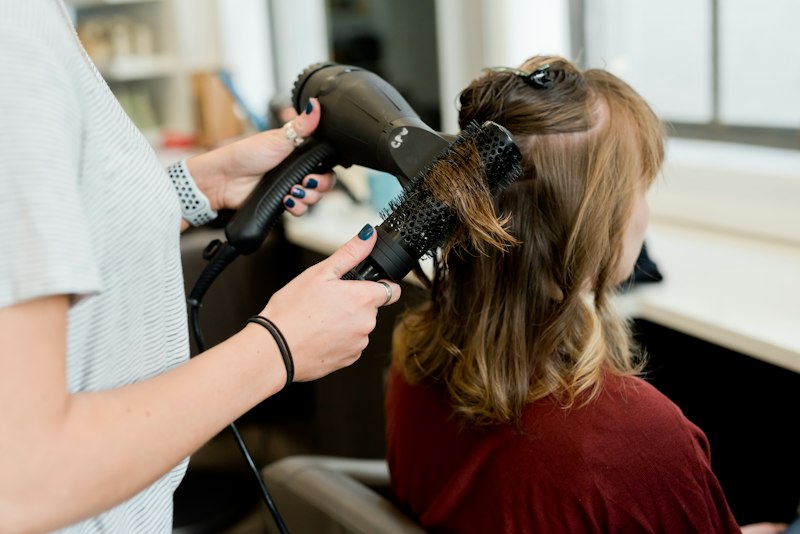
How to Use a One-Step Hair Dryer Brush for a Salon Blowout at Home
A step-by-step guide to using a one-step hot air brush for a smooth, voluminous salon-style blowout at home, plus how to choose the right one.
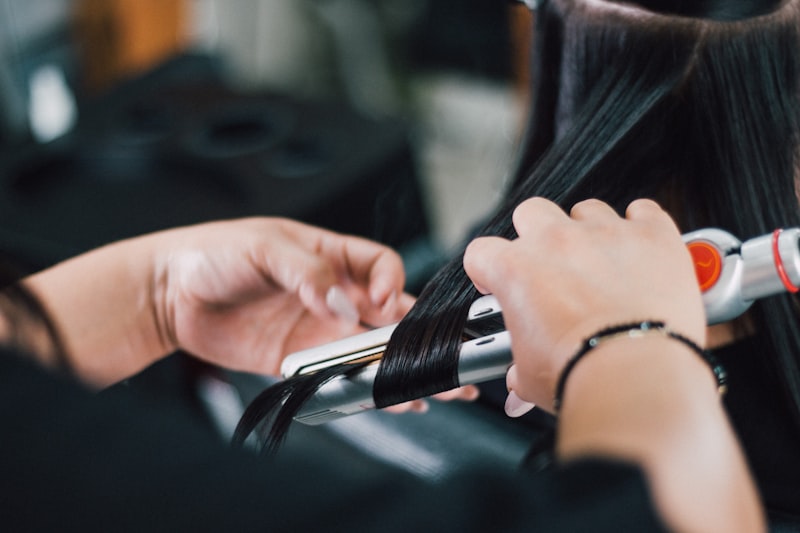
How to Curl Your Hair with a Flat Iron: Soft Beach Waves for Short to Medium Hair
Get soft, undone beach waves using just a flat iron — a full technique breakdown for short to medium hair, no curling iron required.