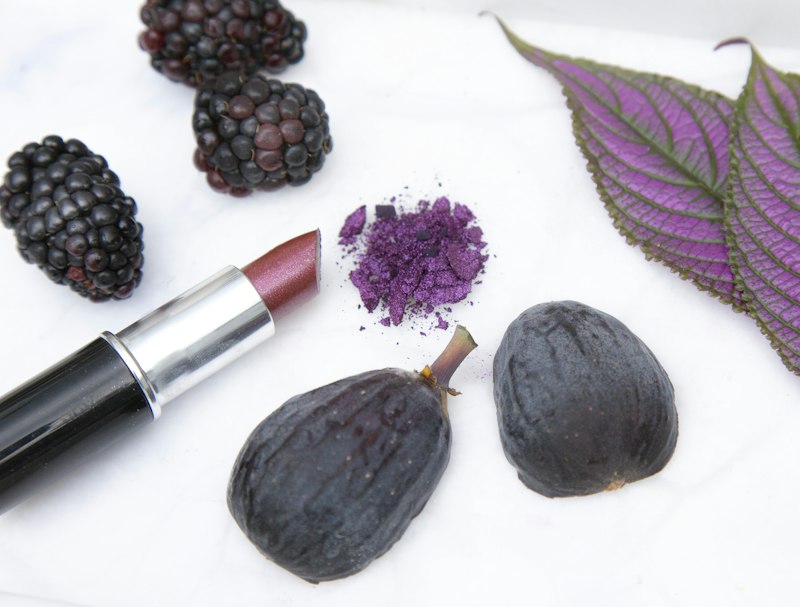
Purple Plum Eyeshadow for Green Eyes: A Color Theory Guide
A Certified Makeup Artist's step-by-step guide to purple and plum eyeshadow specifically for green eyes, using color theory to make your eye color pop.
Introduction
Color theory can genuinely transform how eye makeup reads, and purple tones are one of the most flattering choices for green eyes specifically — sitting opposite green on the color wheel, which makes green pop by contrast rather than blending in. As a Certified Makeup Artist, I want to walk through exactly how to build a purple plum eye look, using the Norvina Vol 5 palette, and explain the actual color theory behind why it works so well.
Why Purple Specifically Flatters Green Eyes
On the color wheel, purple sits roughly opposite green, making them complementary colors — when placed next to each other, complementary colors intensify one another visually rather than competing. This is the actual mechanism behind why purple and plum eyeshadow makes green eyes look brighter and more vivid, rather than just a stylistic preference — it’s genuine color theory at work.
Choosing the Right Purple Undertone
Not all purples read the same way. Cooler, blue-leaning purples tend to create more contrast and drama against green eyes, while warmer plum and mauve-leaning purples give a softer, more everyday-wearable effect. Neither is “more correct” — it depends on the intensity you’re going for, but understanding this distinction helps you pick shades intentionally rather than randomly.
Building the Transition Shade
Start with a soft, warm transition shade through the crease using a fluffy blending brush — this creates the base structure the rest of the look builds on, and keeps the transition between skin and color looking soft rather than harsh.
Adding the Purple Plum Depth
Apply your chosen purple or plum shade over the lid, building gradually with a flat, packing brush for maximum pigment payoff. Concentrate the most intense color in the outer corner and gradually soften it as you move inward, which creates a natural gradient rather than a flat block of uniform color across the whole lid.
Adding Dimension With a Deeper Shade
A deeper, cooler-toned purple or a plum-brown blended into the outer corner and lower lash line adds real dimension and makes the whole look feel more intentional and finished, rather than one flat shade across the entire eye.
Blending Is What Makes This Look Work
This is worth emphasizing: no color combination, however well-chosen for your eye color, looks polished without genuinely smooth blending between shades. Take extra time blending where each shade meets the next — this step matters more than the specific exact shades you choose.
Completing the Look Without Competing
Since the eyes are the clear focal point in this look, keep the rest of the face intentionally simpler. A soft, neutral lip — I like a mauve-toned option like Charlotte Tilbury’s Pillow Talk, lined first with a matching liner — complements a purple eye look without pulling focus away from it.
The Beauty Tips Guide
20+ years as a Licensed Master Esthetician and Makeup Artist, condensed into one guide.
Adapting This Look for Other Eye Colors
While this color theory principle is specifically strongest for green eyes, purple tones also complement hazel eyes well, since hazel often contains green undertones. Brown eyes are genuinely versatile and can wear nearly any eyeshadow color well, including purple, though the dramatic “complementary color” contrast effect is most pronounced specifically with green eyes.
Common Mistakes to Avoid
- Applying one flat shade across the entire lid without building depth. Layering a transition shade, mid-tone, and deeper outer corner creates a much more finished look.
- Skipping blending between shade transitions. This is the single biggest factor in whether a multi-shade eye look reads as polished.
- Choosing purple shades randomly without considering undertone. Cooler purples create more drama; warmer plums are softer and more everyday-wearable.
- Overdoing the rest of the face when the eyes are the focal point. Keep lips and cheeks simpler to let the eye look stand out.
Pro Tips
- Use a flat, packing brush for maximum pigment payoff on the purple shade before switching to a fluffy brush for blending.
- Test both cool and warm purple undertones to see which effect you prefer before committing to a full look.
- Take extra time on blending transitions — this matters more for a polished result than the specific shades chosen.
- Pair with a simple, neutral lip to keep the eyes as the clear focal point.
Frequently Asked Questions
Why does purple eyeshadow specifically flatter green eyes? Purple sits roughly opposite green on the color wheel, making them complementary colors that intensify each other visually when placed together — this is genuine color theory, not just a styling trend.
Does this work for hazel or brown eyes too? Purple complements hazel eyes well, especially those with green undertones. Brown eyes are versatile and can wear purple beautifully too, though the complementary contrast effect is strongest specifically with green eyes.
Should I use a cool-toned or warm-toned purple? Cooler, blue-leaning purples create more dramatic contrast, while warmer plum and mauve tones give a softer, more everyday-wearable effect — the right choice depends on the look you’re going for.
What’s the most important step for this look to read as polished? Genuine blending between each shade transition matters more than the exact shades chosen — take extra time here for the best result.
Conclusion
Purple and plum eyeshadow is a genuinely color-theory-backed choice for green eyes, and building it in layers with proper blending is what takes it from a good idea to a polished, finished look. Watch the full video above for the complete step-by-step tutorial. ✨
Related Posts

This Fall Makeup Look Works on Everyone: A Get-Ready-With-Me Tutorial
A versatile, easy fall makeup look that flatters every skin tone and eye shape — a full get-ready-with-me tutorial from base to lips.
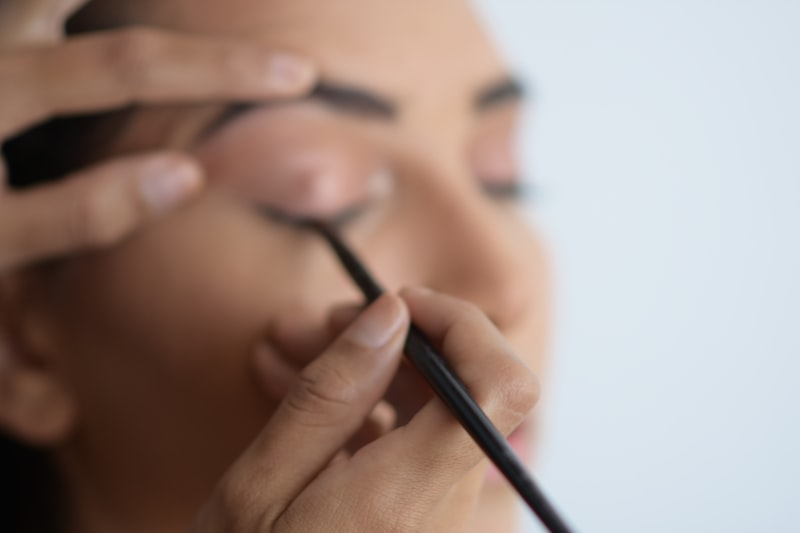
How to Get Perfect Winged Eyeliner Every Time
A step-by-step guide to consistent, symmetrical winged eyeliner — the technique, tool choice, and fixes for the most common mistakes.
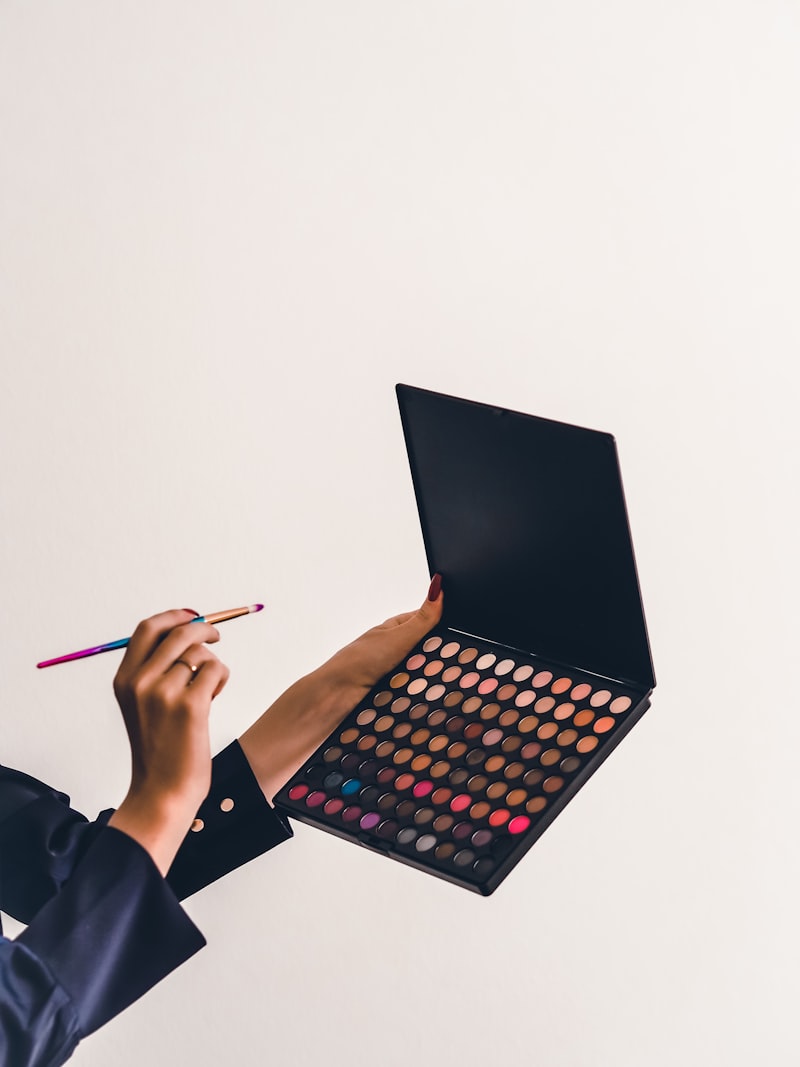
Eyeshadow Tutorial for Beginners: How to Create a Soft Fox Eye Look
A beginner-friendly, step-by-step eyeshadow tutorial for the popular fox eye look — blending technique, placement, and the mistakes that ruin it.
How to Use Setting Powder: The Baking Technique for Flawless, Long-Lasting Makeup
Learn how to set your foundation and concealer with powder, plus the baking technique for makeup that lasts all day without creasing or looking cakey.