
The Orange Peel Hack for Prepping Skin Before Makeup
A Master Esthetician explains the science behind using orange peel enzymes to prep skin before makeup, and how to do it safely.
Introduction
Enzyme exfoliation using fruit-derived ingredients like orange peel has genuine backing in skincare science, not just trend appeal, and it can make a real difference in how smoothly makeup applies afterward. As a Master Esthetician, I want to explain what’s actually happening with this technique and how to use it safely as a makeup-prep step.
What Enzyme Exfoliation Actually Does
Fruit enzymes, including those found in citrus peels like orange, work by breaking down the protein “glue” that holds dead skin cells together on the skin’s surface, allowing them to be gently removed. This is a genuinely different mechanism from physical scrubbing (which manually abrades the surface) or chemical acids like AHAs and BHAs (which work through a different chemical process) — enzymes offer a comparatively gentle option for regular exfoliation.
Why This Matters Specifically for Makeup Application
Dead skin cell buildup on the surface is one of the most common reasons foundation looks patchy, cakey, or grabs unevenly in certain areas. Removing that buildup right before applying makeup creates a smoother, more even surface for foundation and other base products to glide onto, which is the actual mechanism behind why this “hack” genuinely works rather than just being a trendy step.
How to Use Orange Peel Enzyme Products Safely
Whether using a fresh orange peel directly or a formulated enzyme product, patch test first if you haven’t used citrus-based exfoliation before, since citrus ingredients can occasionally cause sensitivity for some skin types. Apply to clean, dry skin, following the specific product’s recommended contact time, and always rinse thoroughly afterward.
A Genuine Safety Note About Citrus and Sun Sensitivity
This is worth being direct about: citrus ingredients, including orange, can increase skin’s photosensitivity, meaning sun exposure right after use carries somewhat higher risk of irritation or pigmentation issues than usual. If you use this technique in the morning before makeup, SPF afterward is non-negotiable — this matters even more than usual given the citrus ingredient involved.
How Often to Use This as a Makeup-Prep Step
Enzyme exfoliation is generally gentler than acid-based options and can often be used slightly more frequently, but two to three times a week is still a reasonable starting point for most skin types rather than a daily habit. Overdoing any exfoliation, even a gentler enzyme-based one, can compromise your skin barrier over time.
Who Should Be Cautious With This Technique
Anyone with very sensitive or reactive skin, active eczema, or a known citrus sensitivity should approach this technique cautiously or skip it in favor of a gentler, non-citrus exfoliation method. If you notice redness, stinging, or irritation with use, that’s a clear sign to discontinue and try a different approach.

The Beauty Tips Guide
20+ years as a Licensed Master Esthetician and Makeup Artist, condensed into one guide.
Building This Into a Makeup-Prep Routine
If enzyme exfoliation works well for your skin, incorporating it as an occasional pre-makeup step — not every single day — followed by your normal moisturizer and SPF routine, can genuinely improve how your base makeup applies and wears throughout the day.
Common Mistakes to Avoid
- Skipping SPF after using a citrus-based exfoliant. Citrus ingredients can increase sun sensitivity, making sunscreen even more essential afterward.
- Using this technique daily instead of a few times a week. Even gentle enzyme exfoliation can compromise your skin barrier if overdone.
- Skipping a patch test if you haven’t used citrus-based products before. Some skin types can be sensitive to citrus ingredients specifically.
- Applying to irritated or actively broken-out skin. Wait until any active irritation has calmed before exfoliating that area.
Pro Tips
- Patch test any new citrus-based product before applying it to your full face, especially if you haven’t used citrus ingredients in skincare before.
- Never skip SPF afterward, particularly important given the photosensitizing nature of citrus ingredients.
- Limit use to two to three times a week rather than making it a daily habit.
- Follow with a proper moisturizer before starting your makeup routine, to ensure skin is hydrated as well as exfoliated.
Frequently Asked Questions
Is orange peel exfoliation gentler than chemical acids like AHAs or BHAs? Generally yes — enzyme exfoliation works through a different, comparatively gentle mechanism, though individual sensitivity still varies and a patch test is always worth doing first.
Do I need to wear SPF after using a citrus-based exfoliant? Yes, this is genuinely important — citrus ingredients can increase skin’s photosensitivity, making consistent sun protection afterward non-negotiable.
How often should I use this as a makeup-prep step? Two to three times a week is a reasonable starting point for most skin types — daily use, even with a gentler enzyme formula, can still compromise your skin barrier over time.
Who should avoid this technique? Anyone with very sensitive or reactive skin, active eczema, or a known citrus sensitivity should approach cautiously or choose a different, non-citrus exfoliation method instead.
Conclusion
Orange peel enzyme exfoliation has genuine science behind why it can improve how makeup applies, but it deserves the same safety care as any exfoliation method — patch testing, moderate frequency, and consistent SPF afterward. Watch the full video above for more. ✨
Related Posts
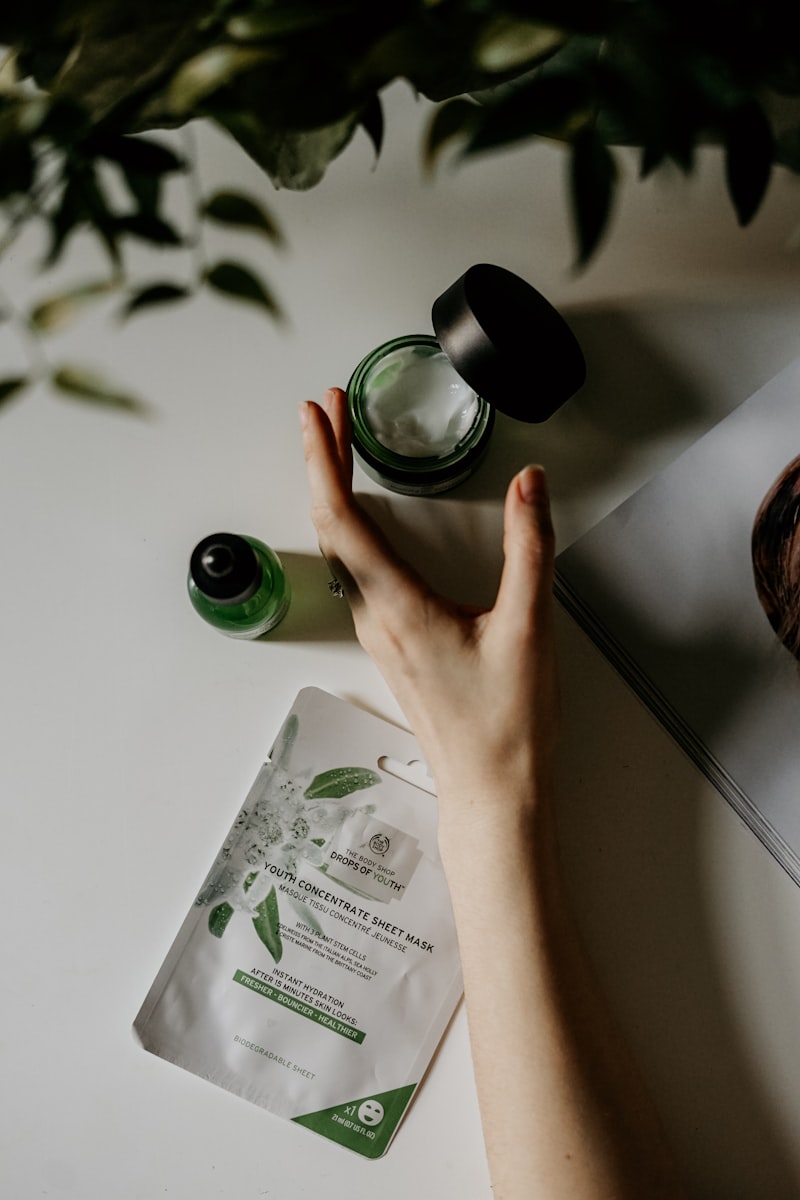
My Nighttime Skincare Routine: An At-Home Facial Anyone Can Do
A licensed esthetician's full nighttime skincare routine — a step-by-step at-home facial ritual for glowing skin, in the right order.
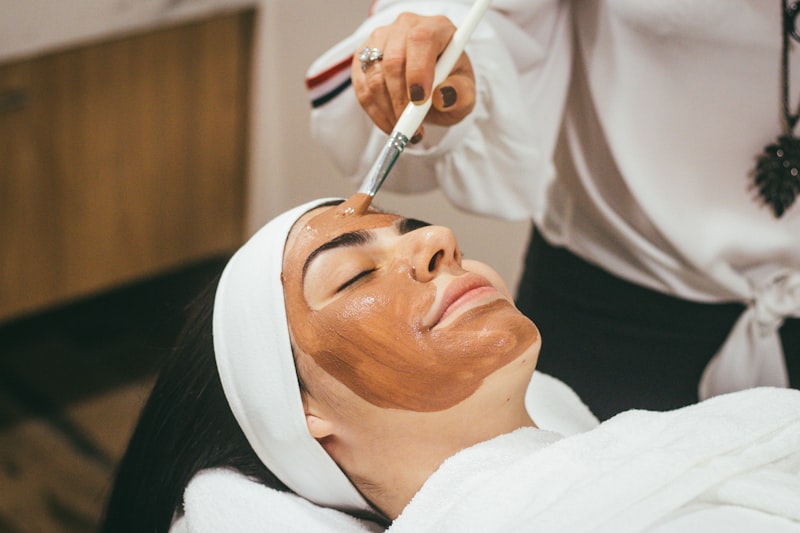
At-Home Face Waxing: A Master Esthetician's Safety-First Guide
A licensed Master Esthetician's step-by-step guide to safely waxing facial hair at home, including who should avoid it and how to prevent irritation.
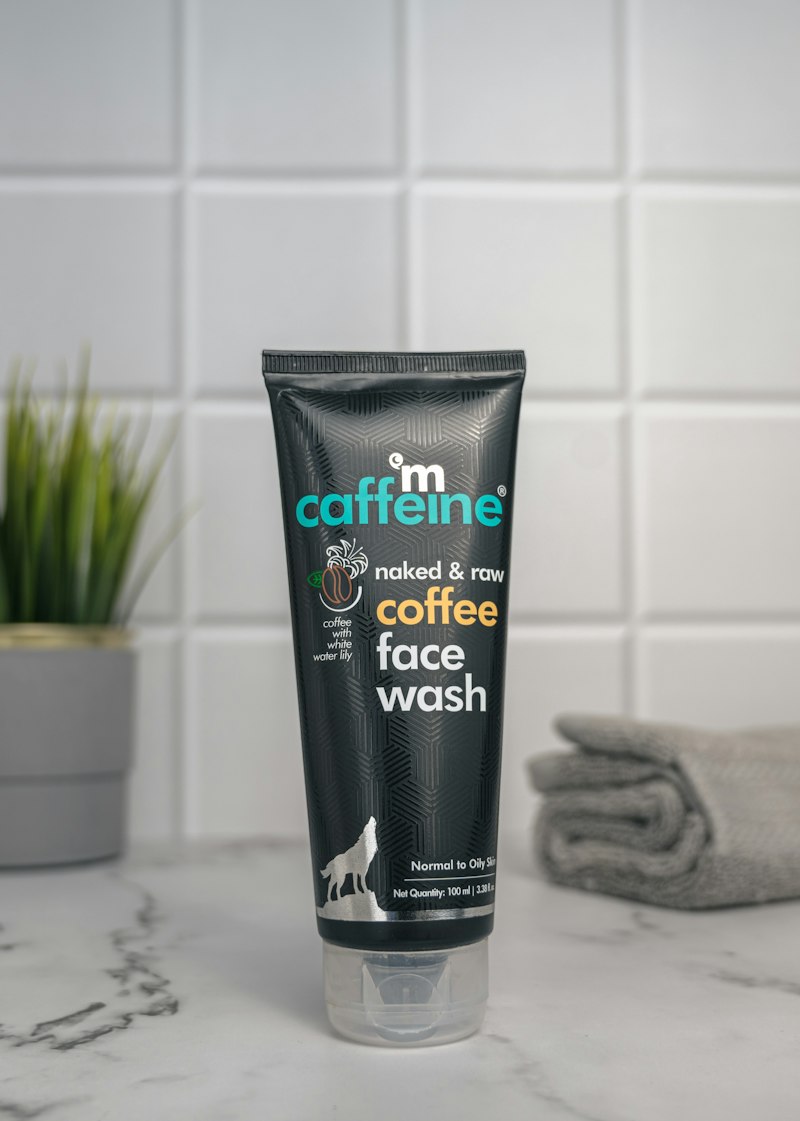
How to Remove All Your Makeup Without Drying Out Your Skin
A Master Esthetician explains how to choose and use a gentle cleanser that fully removes makeup without stripping or drying out your skin.
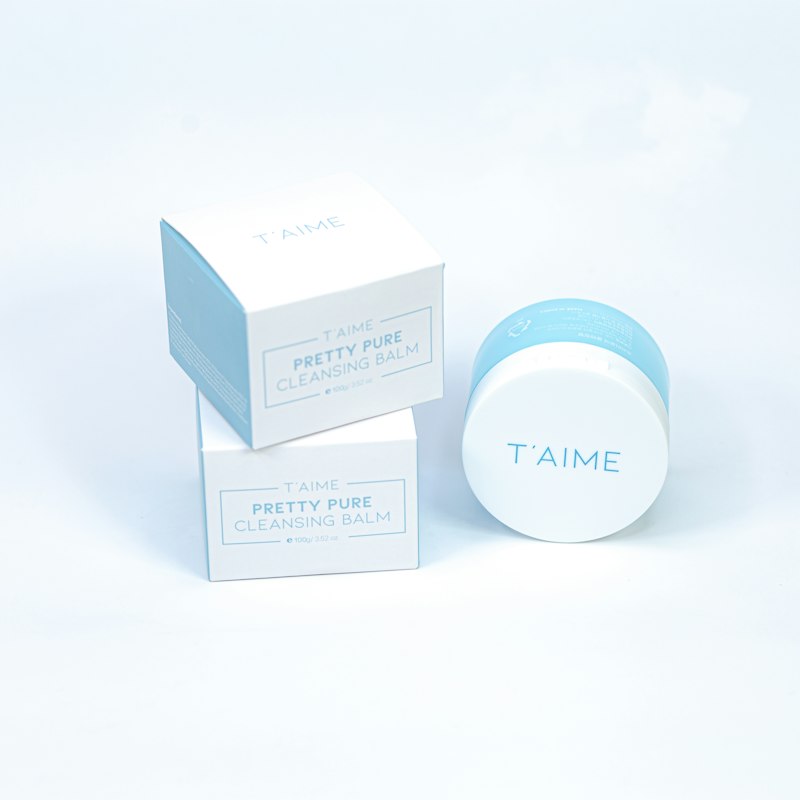
How to Actually Unclog Pores: An Esthetician's Real Routine
A Master Esthetician explains what actually unclogs pores versus what's just marketing, and how to build a genuinely effective pore-clearing routine.