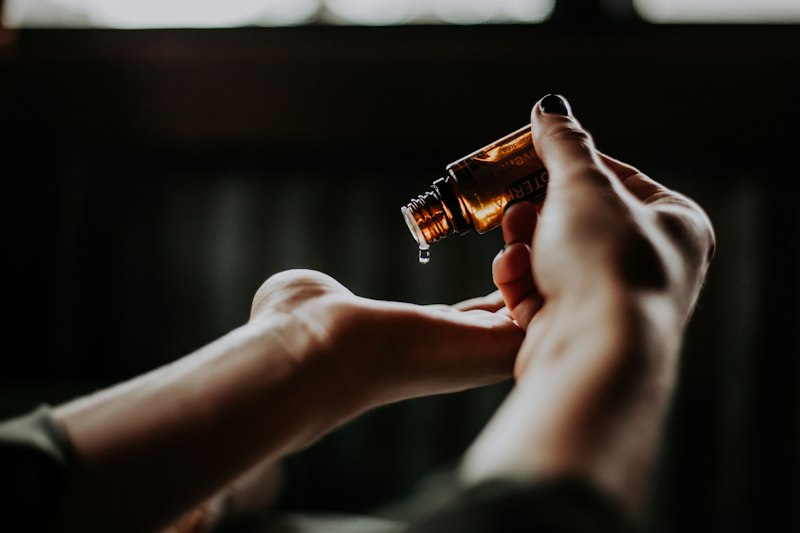
My Secret Weapon for Blackheads: Oil Cleansing
A Master Esthetician explains why oil cleansing is genuinely effective against blackheads, and how to do it correctly for real results.
Introduction
Oil cleansing sounds counterintuitive for blackhead-prone skin — why add more oil to a problem that’s already about excess oil? As a Master Esthetician, I want to explain the actual mechanism behind why this technique genuinely works, and how to do it correctly to see real results against blackheads.
Why Blackheads Form in the First Place
A blackhead forms when a pore becomes clogged with a mix of excess sebum and dead skin cells, which oxidizes and darkens when exposed to air — that’s the actual chemistry behind the dark color, not dirt trapped in the pore, as is commonly assumed. Understanding this matters because it points to the actual solution: properly dissolving and clearing that oil-and-dead-skin mixture, not just scrubbing at the surface.
The Actual Mechanism Behind Oil Cleansing
Oil dissolves oil — this is basic chemistry, and it’s exactly why massaging a proper facial oil into skin can dissolve the hardened sebum sitting inside a clogged pore far more effectively than a water-based cleanser alone. A water-based cleanser is better at removing water-soluble debris, but it doesn’t dissolve oil-based buildup nearly as effectively as oil does.
Choosing the Right Oil for This Technique
Not all oils are equally suited to this purpose — a lightweight, non-comedogenic oil like jojoba oil is ideal specifically because its molecular structure closely resembles skin’s own natural sebum, allowing it to dissolve buildup effectively without clogging pores itself the way some heavier, more comedogenic oils can.
How to Actually Oil Cleanse for Blackheads
Massage the oil into dry skin for a full one to two minutes, focusing extra time on blackhead-prone areas like the nose and chin, using genuine massage pressure rather than a light touch. This massage time matters — it’s what actually works the oil into the pore to dissolve trapped debris, not just a quick swipe across the surface.
Removing the Oil Properly
After massaging, use a warm, damp washcloth to gently remove the oil, or follow with a gentle water-based cleanser for a proper double cleanse. The warm water and washcloth help further loosen any remaining debris while removing the oil itself, rather than leaving a residue behind.
Consistency Is What Actually Clears Blackheads
This is worth being direct about: oil cleansing isn’t a one-time fix for existing blackheads — it works by preventing new buildup and gradually helping clear existing congestion over consistent, regular use. Expect gradual improvement over several weeks of daily or near-daily practice, not an overnight transformation.
The Beauty Tips Guide
20+ years as a Licensed Master Esthetician and Makeup Artist, condensed into one guide.
Combining Oil Cleansing With Other Blackhead Strategies
Oil cleansing works well alongside, not instead of, other evidence-based approaches like regular gentle exfoliation with a salicylic acid product, which is oil-soluble and can penetrate into the pore itself. Using both together addresses blackhead formation from multiple angles rather than relying on a single method.
Why This Technique Works Even for Oily Skin
A common misconception is that oily or acne-prone skin should avoid oils entirely — but properly chosen, non-comedogenic oils used in a cleansing context don’t add to oiliness the way people expect. In fact, oil cleansing can help balance oil production over time, since skin that’s stripped by harsh, drying cleansers often overproduces oil in response, which can actually worsen blackhead formation.
Common Mistakes to Avoid
- Choosing a heavy, comedogenic oil for this technique. Not all oils are suited to cleansing — lightweight, non-comedogenic options work best.
- Rushing the massage step. A full one to two minutes of genuine massage is what actually works oil into clogged pores effectively.
- Expecting overnight results. Oil cleansing works gradually with consistent use, not as a one-time fix.
- Avoiding oil cleansing because you have oily skin. Properly chosen oils don’t worsen oiliness and can actually help balance it over time.
Pro Tips
- Massage for a full one to two minutes, not just a quick swipe, especially over blackhead-prone areas like the nose and chin.
- Follow with a warm, damp washcloth to help further loosen and remove debris along with the oil.
- Combine with regular salicylic acid exfoliation for a more complete approach to blackhead prevention.
- Be consistent — expect gradual improvement over several weeks of regular practice, not immediate results.
Frequently Asked Questions
Does oil cleansing actually work for blackheads, or is it just a trend? It’s genuinely effective through real chemistry — oil dissolves the oil-based buildup inside a clogged pore more effectively than water-based cleansing alone.
Is oil cleansing safe for oily or acne-prone skin? Yes, when using a lightweight, non-comedogenic oil like jojoba — properly chosen oils don’t clog pores and can actually help balance oil production over time.
How long before I see results from oil cleansing? Expect gradual improvement over several weeks of consistent, near-daily practice, rather than an overnight fix for existing blackheads.
Should I use oil cleansing instead of my regular cleanser? Oil cleansing works best as the first step in a double cleanse, followed by a gentle water-based cleanser, rather than as a complete replacement for your routine.
Conclusion
Oil cleansing is a genuinely effective, chemistry-backed technique against blackheads when done consistently with the right oil and proper massage technique. Watch the full video above for more on this routine. ✨
Related Posts
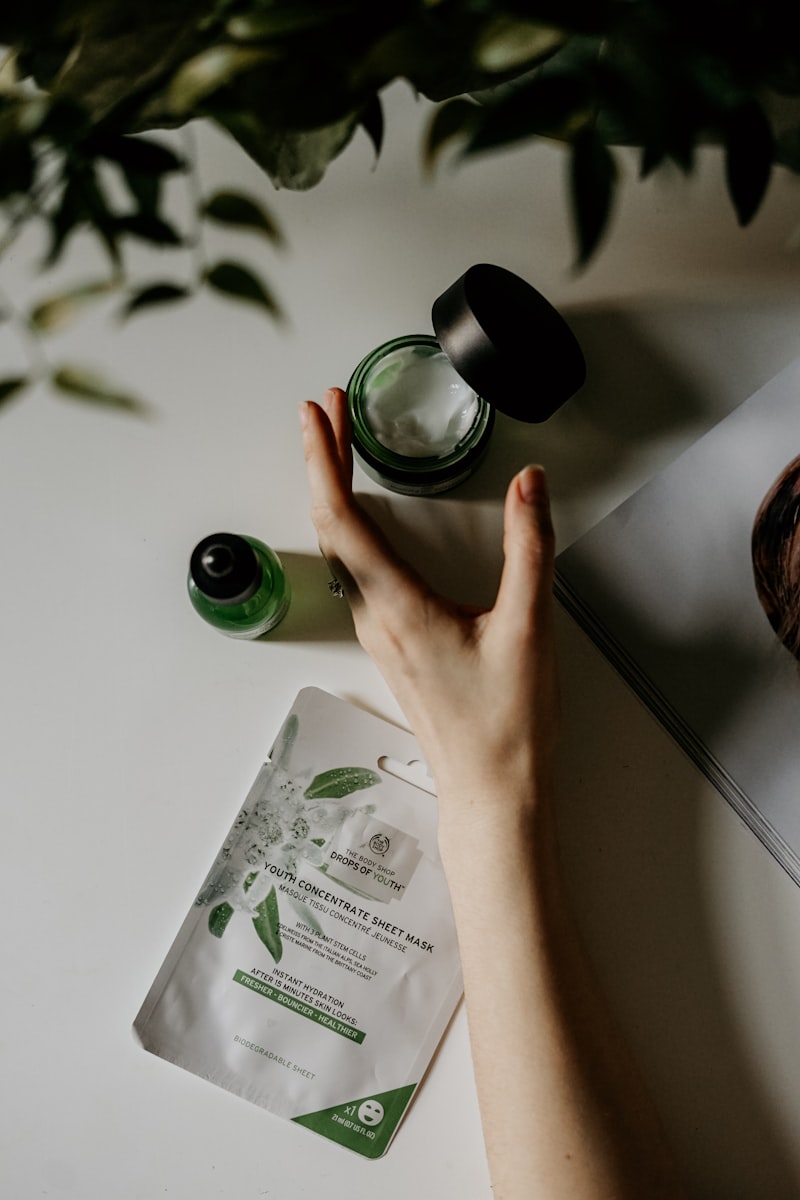
My Nighttime Skincare Routine: An At-Home Facial Anyone Can Do
A licensed esthetician's full nighttime skincare routine — a step-by-step at-home facial ritual for glowing skin, in the right order.
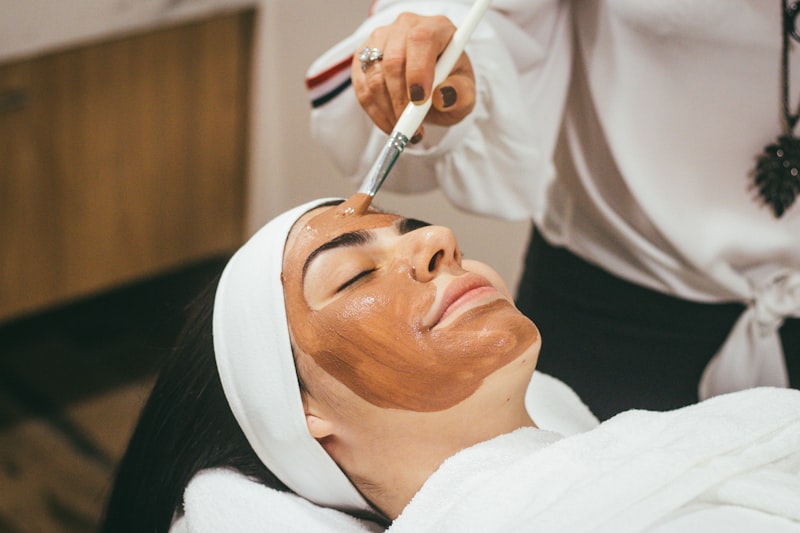
At-Home Face Waxing: A Master Esthetician's Safety-First Guide
A licensed Master Esthetician's step-by-step guide to safely waxing facial hair at home, including who should avoid it and how to prevent irritation.
How to Remove All Your Makeup Without Drying Out Your Skin
A Master Esthetician explains how to choose and use a gentle cleanser that fully removes makeup without stripping or drying out your skin.
How to Actually Unclog Pores: An Esthetician's Real Routine
A Master Esthetician explains what actually unclogs pores versus what's just marketing, and how to build a genuinely effective pore-clearing routine.