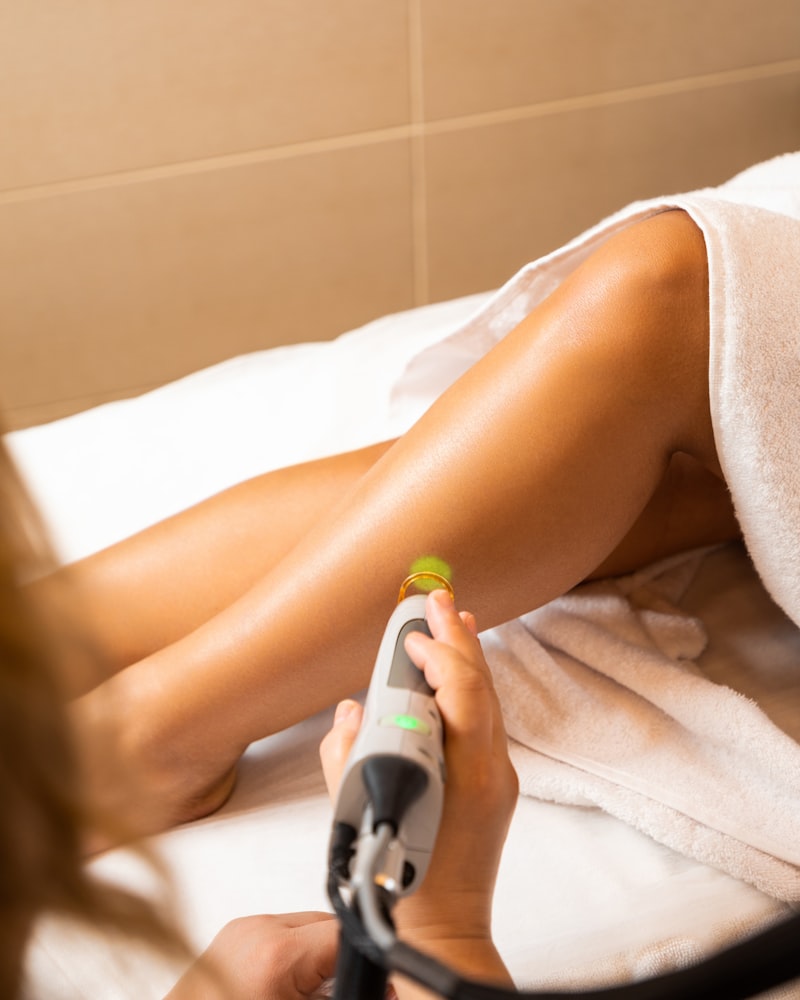
MimiSilk Iris 1450nm At-Home Laser: An Esthetician's Honest, Skeptical Review
A Master Esthetician reviews the MimiSilk Iris 1450nm at-home fractional laser, separating the manufacturer's marketing claims from what this category of device realistically delivers.
Introduction
At-home fractional lasers represent a meaningfully more advanced — and more powerful — category of device than the LED masks and microcurrent tools most people are familiar with, which also means they deserve a more careful, skeptical look before buying. As a Master Esthetician with over 20 years of experience, I tested the MimiSilk Iris 1450nm to see whether it lives up to its marketing, and I want to walk through what this technology actually does versus what the manufacturer claims.
What a Fractional Laser Actually Does
Unlike LED light therapy, which uses specific light wavelengths without heat, a fractional laser creates a grid of microscopic, controlled injury points in the skin — in this device’s case, using a 1450nm wavelength to penetrate into the dermis. This triggers the skin’s natural wound-healing response, including collagen production, similar in concept to microneedling but achieved through laser energy rather than physical needles. This is a real, established category of technology used in both professional and at-home settings, and it’s worth noting it’s a different mechanism entirely from a hair-removal diode laser like the one I reviewed in my DermRays V8S writeup — the two device categories target completely different skin structures.
A Direct Note on the Manufacturer’s Specific Claims
The marketing for this device cites specific figures — up to 62% wrinkle reduction, an 89.7% improvement in pores and tone, 71 to 89% improvement in acne scarring, and 79% collagen repair. I want to be transparent about where these numbers come from: this is the manufacturer’s own testing data, not independent, peer-reviewed research published outside the company. That doesn’t mean the numbers are necessarily false, but it does mean they should be treated with real skepticism rather than taken as an objective, guaranteed outcome — internal company data is inherently a lower bar of evidence than independent clinical research, and results for any individual user will vary meaningfully from a marketing figure regardless.
FDA and CE Clearance: What It Does and Doesn’t Mean
The device is marketed as FDA- and CE-cleared, which is worth understanding precisely: clearance indicates the device met a regulatory bar for safety as a device in its category, not that regulators have verified or endorsed the specific efficacy percentages in the marketing copy. Don’t conflate “cleared for safety” with “a government body confirmed these exact results” — those are two different claims, and only the first is what clearance actually establishes.
Why This Category Deserves More Caution Than LED or Microcurrent
Because a fractional laser creates actual controlled injury to trigger healing, it carries meaningfully more real risk than a purely light-based or low-current device — improper use can cause burns, scarring, or pigmentation changes, especially on darker skin tones or when used too aggressively or too frequently. This isn’t a device to use casually without carefully reading the manufacturer’s safety guidance in full, and it’s a genuinely different risk category than something like an LED mask.
Who Should Not Use This Device
Anyone who is pregnant, has active skin infections, a history of keloid scarring, or certain skin conditions should not use an at-home fractional laser without consulting a dermatologist first. Darker skin tones carry a higher risk of post-inflammatory pigmentation changes with laser devices generally, so checking this device’s specific guidance for your skin tone, and ideally consulting a professional before your first use, is a genuinely important safety step, not an optional one.
Realistic Expectations for Results
Any real improvement in texture, fine lines, or acne scarring from a device in this category is gradual, typically becoming apparent over the six-to-eight-week timeframe the manufacturer itself cites, with continued improvement over a longer course of consistent, correctly-spaced use. Dramatic, immediate transformation is not a realistic expectation for this or any device in this category, regardless of marketing language.

The Beauty Tips Guide
20+ years as a Licensed Master Esthetician and Makeup Artist, condensed into one guide.
How to Use It as Safely as Possible
1. Start With a Full Patch Test
Test on a small, inconspicuous area first and wait the manufacturer’s recommended time before proceeding to full-face use, to check for any unusual reaction.
2. Follow the Exact Recommended Spacing Between Sessions
Fractional lasers need real recovery time between sessions for skin to heal properly — using it more frequently than recommended significantly increases risk without improving results.
3. Use Sun Protection Seriously in the Days Following Treatment
Freshly lasered skin is significantly more vulnerable to UV damage and pigmentation changes; strict, consistent SPF use after each session is not optional.
4. Stop and Consult a Professional If You See Unusual Reactions
Persistent redness, blistering, or any reaction beyond what the manufacturer describes as normal and expected warrants stopping use and consulting a dermatologist.
Is It Worth Buying?
If you’re specifically looking for a more powerful at-home option than LED or microcurrent and are willing to follow safety guidance carefully, this device offers a genuinely more advanced mechanism than gentler categories of tools. But go in with realistic, skeptical expectations about the specific marketing percentages, and treat the safety guidance as non-negotiable given the more significant nature of this technology compared to gentler at-home devices.
Common Mistakes to Avoid
- Taking the manufacturer’s specific improvement percentages as guaranteed, independently verified results. They’re internal testing data, not independent clinical research.
- Confusing regulatory clearance with an efficacy guarantee. Clearance addresses safety standards, not the specific marketing claims.
- Using the device more frequently than recommended. This increases risk without improving results.
- Skipping strict sun protection after treatment. Freshly treated skin is significantly more vulnerable to UV damage.
- Using it without a patch test first, especially for darker skin tones at higher risk of pigmentation changes.
Pro Tips
- Read the full manufacturer safety guidance before your first session, not just the marketing highlights.
- Consult a dermatologist first if you have any relevant skin conditions or a history of scarring.
- Track results with consistent photos over the full 6-8 week window the manufacturer cites, rather than judging after one or two sessions.
- Prioritize strict SPF use after every session, treating it as a mandatory step, not an optional add-on.
Frequently Asked Questions
Are the manufacturer’s specific improvement percentages accurate? They come from the company’s own internal testing rather than independent, peer-reviewed research, so treat them as a marketing data point rather than a guaranteed outcome for your specific skin.
Is this device safe to use at home? When used exactly as directed, with proper spacing between sessions and consistent sun protection, it’s designed for home use — but it carries more real risk than gentler categories like LED, and safety guidance should be followed carefully.
How long before I might see results? The manufacturer cites six to eight weeks with consistent, correctly-spaced use for initial results, with continued improvement over a longer course of use.
Who should avoid this device entirely? Anyone pregnant, with active skin infections, a history of keloid scarring, or certain skin conditions should consult a dermatologist before use rather than trying it without professional guidance.
Conclusion
Fractional laser technology is real and more powerful than gentler at-home device categories, but the manufacturer’s specific marketing percentages deserve real skepticism, and the safety guidance for this category matters more than with LED or microcurrent tools. Watch the full video above for my complete hands-on review. ✨
Related Posts
I Tried a Vibrating Facial Cleansing Wand — Here's My Honest Review
An esthetician's honest review of vibrating facial cleansing wands — how they actually help your routine, and how to use one correctly.
Do Microcurrent Facial Devices Actually Work? An Esthetician's Honest Take
A licensed esthetician breaks down how microcurrent facial devices actually work, what's realistic marketing vs. hype, and what results to expect.
I Tried the Medicube AGE R Booster: Does This Viral Skincare Device Work?
An esthetician's honest review of the Medicube AGE R Booster — how electroporation skincare devices work and whether the viral K-beauty tool lives up to the hype.
Is At-Home IPL Hair Removal Safe? An Honest Ulike Air 10 Review
An esthetician's honest review of at-home IPL hair removal with the Ulike Air 10 — how it works, who it's safe for, and what results to realistically expect.