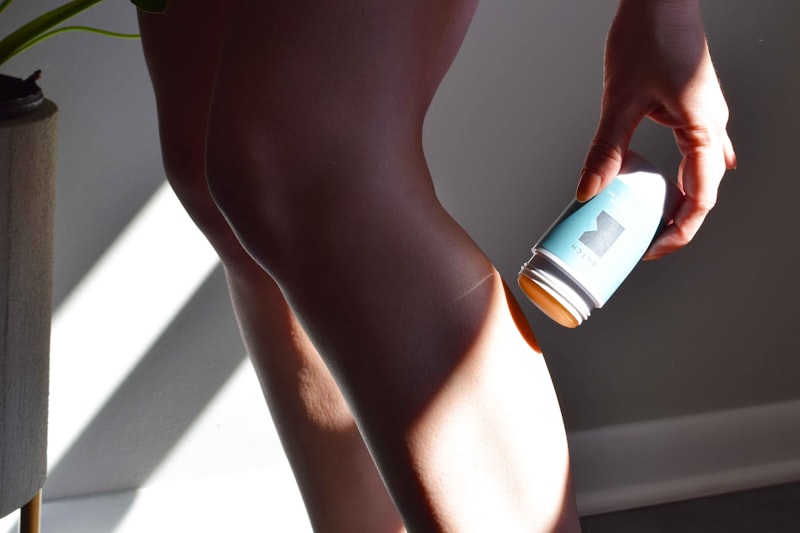
Is At-Home IPL Hair Removal Safe? An Honest Ulike Air 10 Review
An esthetician's honest review of at-home IPL hair removal with the Ulike Air 10 — how it works, who it's safe for, and what results to realistically expect.
By Rita Almusa, Licensed Master Esthetician — 20+ years of experience
Introduction
At-home IPL hair removal devices have made a treatment that used to require professional laser sessions available as a bathroom-counter routine, but the safety and effectiveness questions around them are legitimate. I tested the Ulike Air 10 to give an honest, esthetician’s perspective on how IPL actually works, who it’s genuinely safe for, and what kind of results you can realistically expect.
How IPL Actually Works
IPL stands for Intense Pulsed Light. Unlike traditional laser hair removal, which uses a single concentrated wavelength, IPL devices emit a broader spectrum of light. That light is absorbed by melanin (pigment) in the hair follicle, converting to heat that damages the follicle and slows future hair growth. This is why IPL is more accurately described as hair reduction rather than permanent removal — with consistent use over time, hair typically grows back finer, sparser, and slower, but individual results vary and maintenance sessions are usually still needed.
Who IPL Is — and Isn’t — Suitable For
This is the most important safety information to understand before buying any IPL device: because it works by targeting pigment (melanin) in the hair, IPL is most effective on lighter skin with darker hair, where there’s strong contrast between skin tone and hair color. It’s generally not effective, and can be unsafe, for very dark skin tones or very light/blonde/gray/red hair, since there isn’t enough melanin contrast for the device to target correctly. Reputable IPL devices, including the Ulike Air 10, include a built-in skin tone sensor that will prevent the device from firing on skin tones outside its safe range — this is a genuine safety feature, not just a marketing point, and it’s worth checking before you buy any device that lacks one.
IPL vs. Other Hair Removal Methods
Understanding how IPL compares to what you’re likely already using helps set realistic expectations:
- IPL vs. shaving: Shaving removes hair at the surface only and needs to be repeated every few days. IPL targets the follicle itself, so results build cumulatively over weeks rather than needing constant maintenance.
- IPL vs. waxing: Waxing physically pulls hair from the root and needs the hair to have some length to grip, whereas IPL needs hair to be freshly shaved, not present above the skin. They’re actually somewhat incompatible in a routine — waxing regularly removes the exact follicle IPL needs to target.
- IPL vs. professional laser: Professional laser treatments use higher-intensity, more precisely calibrated equipment and are typically faster to show results, but at-home IPL is more affordable and convenient for ongoing maintenance, even if it takes longer to see comparable reduction.
How to Use It Safely
1. Shave, Don’t Wax, Beforehand
The treatment area needs to be freshly shaved, not waxed or tweezed. IPL targets the hair follicle beneath the skin, and the hair needs to be present at the follicle level, not still growing in visibly.
2. Do a Patch Test First
Before treating a full area, test a small patch of skin and wait 24 to 48 hours to check for any adverse reaction, especially if you have sensitive skin.
3. Use the Correct Intensity Setting
Most devices offer multiple intensity levels. Start on the lowest setting, especially for your first few sessions, and only increase gradually as your skin tolerates it.
4. Avoid Sun Exposure Before and After Treatment
Sunburned or recently tanned skin (including from self-tanner) is more prone to adverse reactions with IPL. Treat only skin that hasn’t been sun-exposed recently, and use SPF diligently on treated areas afterward.
5. Follow the Recommended Treatment Schedule
Most at-home IPL protocols start with sessions every one to two weeks for the first several weeks, then taper to monthly maintenance sessions once you see initial results.
6. Never Use on Broken or Irritated Skin
Skip treatment on any area with active irritation, cuts, sunburn, or skin conditions until it has fully healed.
Areas to Avoid
Never use an at-home IPL device near the eyes, on tattoos, on moles or dark spots, or on genital skin unless the device is specifically designed and labeled for that use. Always read your specific device’s safety guidelines for the exact list of areas to avoid.

The Beauty Tips Guide
20+ years as a Licensed Master Esthetician and Makeup Artist, condensed into one guide.
What Results Are Realistic
With consistent, correct use over the recommended treatment schedule, most people see a genuine reduction in hair growth — hair that grows back finer and less frequently. It is not typically permanent removal, and periodic maintenance sessions are usually needed to sustain results long-term. Anyone expecting a handful of sessions to eliminate hair growth entirely is likely to be disappointed; this is a gradual, cumulative process similar to professional laser treatments, just at a gentler, at-home intensity.
What a Typical Treatment Timeline Looks Like
Every device and every person’s hair growth cycle is a little different, but a general timeline for at-home IPL looks something like this:
- Weeks 1-4: Sessions roughly every one to two weeks, treating the area consistently. You may not see dramatic change yet — hair grows in cycles, and IPL can only affect follicles that are in an active growth phase at the time of treatment.
- Weeks 4-12: This is typically when people start noticing visibly finer, sparser regrowth, since repeated sessions catch more follicles across their different growth cycles.
- Beyond 12 weeks: Many people shift to monthly or even less frequent maintenance sessions once they’ve reached their desired level of reduction.
Skipping sessions or treating inconsistently extends this timeline significantly, since IPL’s effectiveness depends heavily on catching hair follicles across their full growth cycle.
Common Mistakes to Avoid
- Waxing or plucking instead of shaving before treatment. This removes the hair follicle IPL needs to target.
- Skipping the patch test. Especially important the first time you use any new device or a higher intensity setting.
- Treating sun-exposed or tanned skin. This significantly increases the risk of an adverse skin reaction.
- Expecting permanent results after a few sessions. This is a gradual reduction process, not an instant or one-time fix.
Pro Tips
- Keep a consistent schedule rather than sporadic sessions — consistency is what drives real results with IPL.
- Moisturize treated skin after each session to support skin comfort and recovery.
- Take photos before starting so you can objectively track hair reduction over weeks, since day-to-day changes are hard to notice.
- Check your device’s skin tone sensor works correctly before your first full session — if it won’t activate, don’t attempt to bypass the safety feature.
Frequently Asked Questions
Is at-home IPL as effective as professional laser hair removal? At-home devices are generally lower-intensity than professional-grade lasers, so results tend to be more gradual and may require more sessions, but they can still produce genuine hair reduction with consistent, correct use.
Can I use IPL if I have a darker skin tone? This depends entirely on the specific device and its safety sensor range — many at-home IPL devices are not safe or effective for darker skin tones. Always check your device’s specifications, and when in doubt, consult a dermatologist about safe hair removal options for your skin tone.
Does IPL hurt? Most people describe it as a mild warming or slight snapping sensation, generally more tolerable than waxing. Sensitivity varies by area — the bikini line and underarms tend to be more sensitive than legs or arms.
Can I use IPL on my face? Some devices include a facial attachment or lower-intensity facial setting, but not all are designed or safe for facial use — the skin around the face is more delicate and closer to the eyes. Always check whether your specific device is rated for facial hair removal before attempting it.
Conclusion
At-home IPL hair removal can be a genuinely safe and effective option when you use the right device correctly and understand realistic expectations — hair reduction over time with consistent maintenance, not instant or guaranteed-permanent removal. Always check that any device you’re considering matches your skin and hair combination before buying. Watch the full video above for my hands-on experience and more detailed safety notes. ✨
Related Posts
I Tried a Vibrating Facial Cleansing Wand — Here's My Honest Review
An esthetician's honest review of vibrating facial cleansing wands — how they actually help your routine, and how to use one correctly.
Do Microcurrent Facial Devices Actually Work? An Esthetician's Honest Take
A licensed esthetician breaks down how microcurrent facial devices actually work, what's realistic marketing vs. hype, and what results to expect.
I Tried the Medicube AGE R Booster: Does This Viral Skincare Device Work?
An esthetician's honest review of the Medicube AGE R Booster — how electroporation skincare devices work and whether the viral K-beauty tool lives up to the hype.

Does a Facial Massager Really Lift Your Skin? Testing the Vraiko Lilac 7-in-1
An honest esthetician review of the Vraiko Lilac 7-in-1 facial massager — how mechanical facial massage works and what kind of results to actually expect.