
Do Facial Steamers Actually Work? An Esthetician's Honest Guide
A licensed esthetician explains what a facial steamer actually does for your skin, how to use one safely, and whether it's worth adding to your routine.
By Rita Almusa, Licensed Master Esthetician — 20+ years of experience
Introduction
Facial steamers have become a popular at-home spa tool, promising the kind of deep-clean, dewy glow you’d expect from a professional facial. As a licensed Master Esthetician, I want to walk through what a facial steamer genuinely does for your skin, how to use one properly, and where the marketing claims around it get a little ahead of what the science actually supports.
What a Facial Steamer Actually Does
Warm steam applied to the face temporarily increases blood flow to the skin’s surface and softens the outermost layer of skin, including the material inside pores. This softening effect is the real, useful benefit — it makes extractions (if you’re doing them) more comfortable and effective, and it helps products applied afterward absorb more easily since the skin’s surface is more receptive right after steaming.
Setting Realistic Expectations
I want to be direct here, since steamers are often marketed with bigger claims than they can really deliver: steam alone doesn’t “deep clean” pores in the way some product marketing suggests, and it won’t resolve acne, hyperpigmentation, or significant skin concerns on its own. What it does well is prep skin for the rest of your routine and provide a genuinely relaxing, spa-like experience. Think of it as a supporting step that makes your other skincare more effective, not a standalone treatment.
How to Use a Facial Steamer Safely
1. Cleanse First
Always steam over clean skin, not a full face of makeup or sunscreen — steaming over product doesn’t clean skin, it just heats up what’s already sitting on the surface.
2. Keep a Safe Distance
Follow your specific steamer’s guidance on distance, but as a general rule, keep your face at least 8-10 inches from the steam output to avoid burns or excessive heat exposure to the skin.
3. Limit Your Session Time
Five to ten minutes is generally sufficient. Longer sessions don’t improve results and can lead to excessive water loss from the skin’s surface, which paradoxically can leave skin feeling drier once the steam session ends.
4. Follow Immediately With Your Routine
This is the step people skip most often, and it’s where a lot of the actual benefit lives — apply your serums and moisturizer right after steaming, while your skin is still warm and receptive, to take advantage of the improved absorption.
5. Avoid Steaming Over Active Irritation
Skip steaming if you have active sunburn, rosacea flare-ups, or open blemishes, since heat can worsen inflammation and redness in already-irritated skin.
Building Steam Into a Complete At-Home Facial
A facial steamer works best as one component of a longer at-home facial ritual rather than a standalone step. A typical sequence: cleanse, steam for five to ten minutes, gently extract any easily-released congestion if that’s part of your routine, apply a treatment mask suited to your skin’s needs, then finish with your regular serum and moisturizer while skin is still warm and receptive. Treating it as part of a complete ritual, rather than an isolated five-minute add-on, tends to produce a more noticeably relaxing and effective result.
Who Should Be Cautious With Facial Steamers
Steaming isn’t appropriate for everyone. If you have rosacea, very sensitive or reactive skin, or a condition that heat tends to aggravate, steaming can do more harm than good by triggering flushing and irritation. If you have any of these concerns, check with a dermatologist before adding steam to your routine, or consider a shorter, cooler session as a gentler alternative.
The Beauty Tips Guide
20+ years as a Licensed Master Esthetician and Makeup Artist, condensed into one guide.
Facial Steamer vs. a Warm, Damp Towel
A common question is whether a dedicated steamer is actually necessary compared to a simple warm, damp towel pressed against the face. A towel does provide some of the same warming and softening benefit, but a dedicated steamer produces a more consistent, sustained temperature and a finer mist over a longer session than a towel, which cools relatively quickly. For occasional use, a towel is a reasonable low-cost alternative; for regular use, a steamer offers more consistent results.
Common Mistakes to Avoid
- Steaming for too long. More time doesn’t equal more benefit, and it increases the risk of dehydrating the skin’s surface.
- Steaming too close to the face. This increases burn risk without adding any additional benefit.
- Following steam with harsh actives immediately. Freshly steamed skin is more permeable, which means strong actives (retinol, high-percentage acids) can penetrate more intensely and potentially cause irritation right after steaming.
- Using it as a substitute for actual cleansing. Steam softens and preps skin — it doesn’t replace the mechanical and chemical action of an actual cleanser.
How Often Should You Steam?
Once or twice a week is a reasonable frequency for most skin types. Steaming more frequently doesn’t meaningfully improve results and increases the risk of over-softening the skin barrier, especially if you’re also using active ingredients regularly in your routine.
Pro Tips
- Steam before extractions, not instead of them, if that’s part of your routine — steam alone doesn’t remove congestion, it just makes the process more comfortable if you do it.
- Pat skin dry gently after steaming rather than rubbing, since skin is more sensitive to friction right after.
- Apply your most important treatment products immediately after, while skin is warm and receptive.
- Add a few drops of a calming essential oil to the water reservoir if your steamer supports it, for an extra relaxing, spa-like sensory experience — though this is about the ritual, not an added skincare benefit.
Frequently Asked Questions
Can a facial steamer help with blackheads? It can help soften the material in pores, making extractions more comfortable if you’re doing them properly and gently, but steam alone doesn’t remove blackheads on its own.
Is a facial steamer safe for oily or acne-prone skin? Generally yes when used as directed, though anyone with active, inflamed acne should be cautious, since heat can increase redness and irritation in already-inflamed skin.
How is a facial steamer different from just holding my face over a bowl of hot water? A dedicated steamer produces a more consistent, controlled temperature and finer steam particle size, and it’s generally safer than a bowl of hot water, which carries a higher risk of burns from splashing or getting too close to the heat source.
Does steaming help skincare products absorb better? Yes — this is one of the more reliably supported benefits. Warm, slightly damp skin right after steaming tends to absorb serums and moisturizers more readily than cool, dry skin.
Can I steam every day if I have very dry skin? Daily steaming isn’t generally recommended for any skin type, including dry skin, since overuse can strip the skin’s surface of moisture over time despite the immediate hydrating sensation. Stick to one or two sessions a week.
Conclusion
A facial steamer is a genuinely nice addition to a routine when you understand what it actually does — softening skin and prepping it for better product absorption — rather than expecting it to deep-clean or transform your skin on its own. Watch the full video above for more on how to incorporate steaming into a broader routine, and always listen to how your specific skin responds to heat. ✨
Related Posts
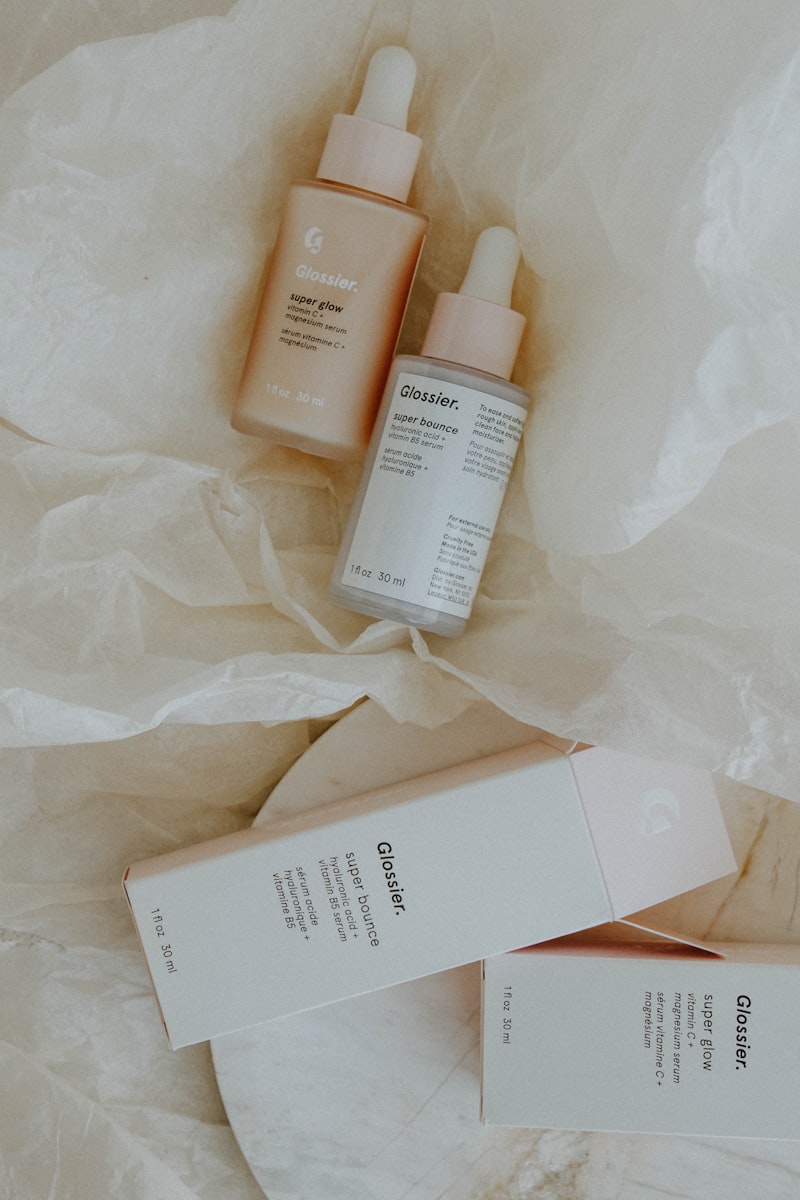
At-Home Microneedling: What It Can (and Can't) Do for Acne Scars and Pores
A licensed esthetician's honest, safety-first guide to at-home microneedling — realistic expectations, proper technique, and when to see a professional instead.
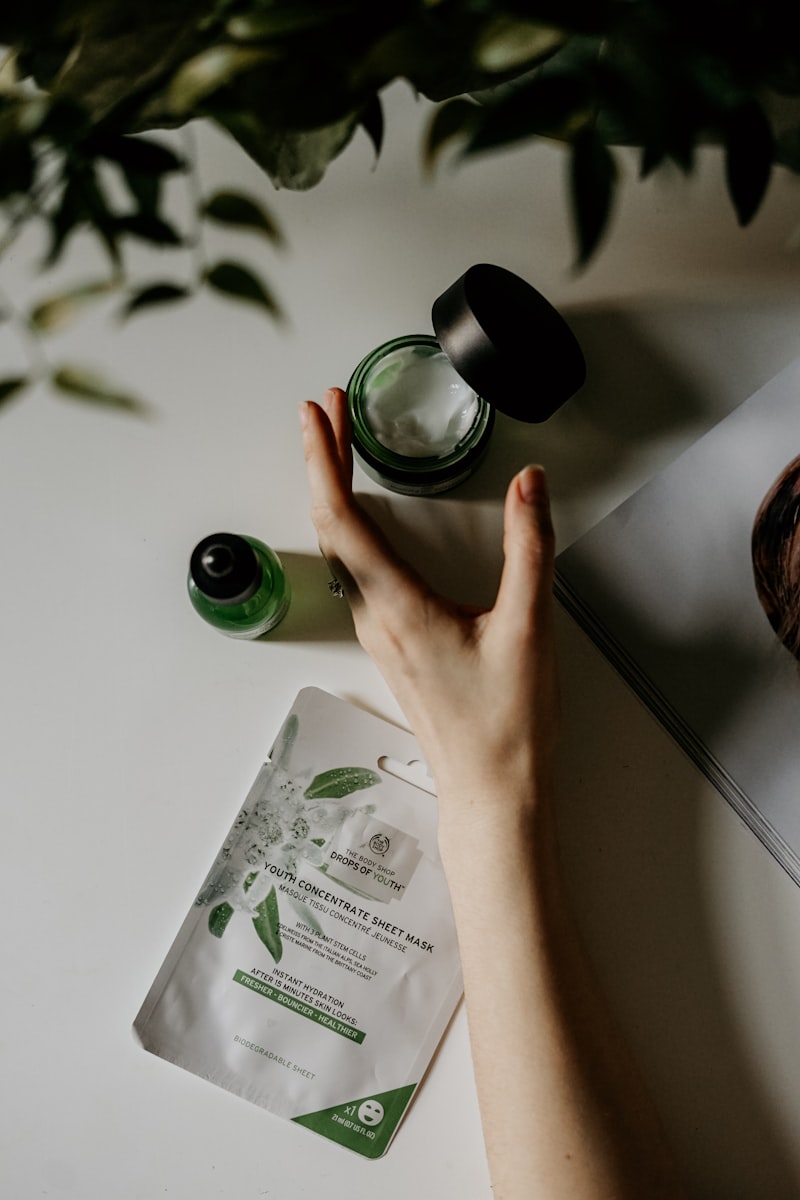
My Nighttime Skincare Routine: An At-Home Facial Anyone Can Do
A licensed esthetician's full nighttime skincare routine — a step-by-step at-home facial ritual for glowing skin, in the right order.

How to Shave Facial Hair at Home Without Breakouts or Irritation
A licensed esthetician's guide to safe at-home dermaplaning — removing peach fuzz without acne, razor bumps, or irritation.
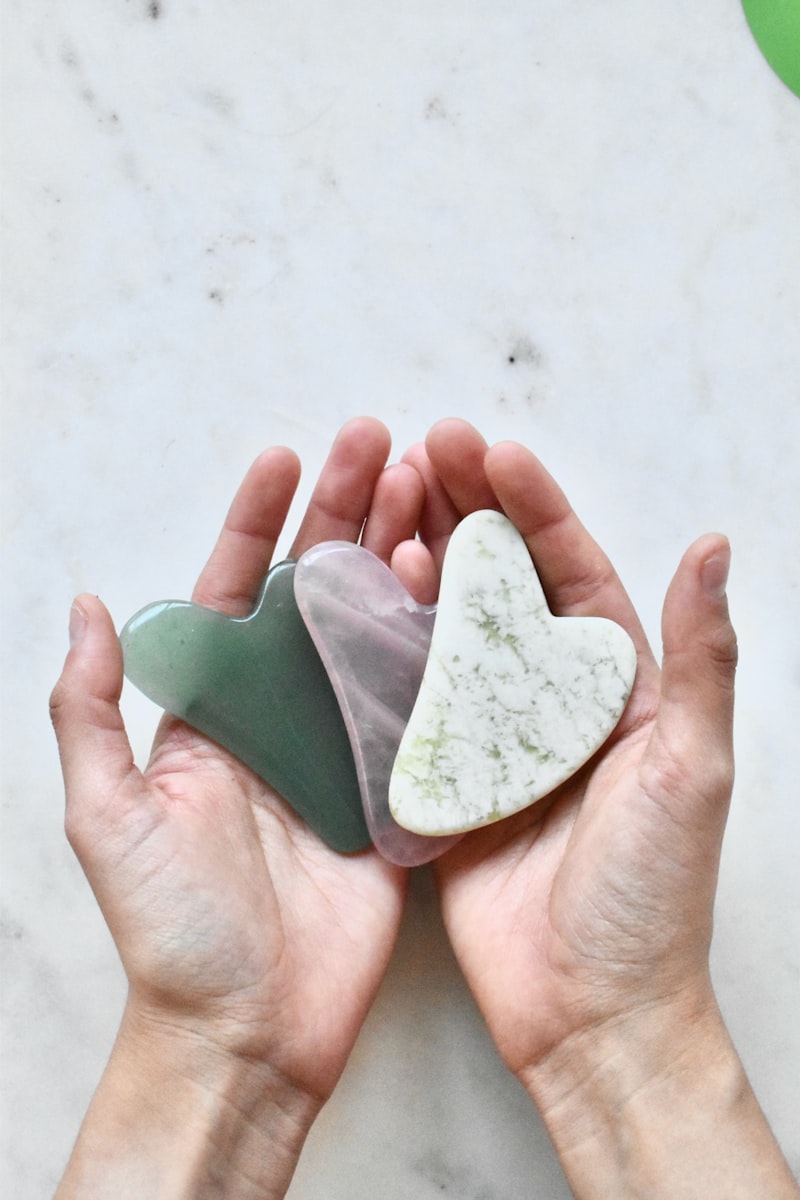
How to Use a Gua Sha: The Facial Massage Technique Everyone's Talking About
A licensed esthetician's real guide to facial gua sha — the correct technique, what it actually does, and how to choose between jade, rose quartz, and steel.