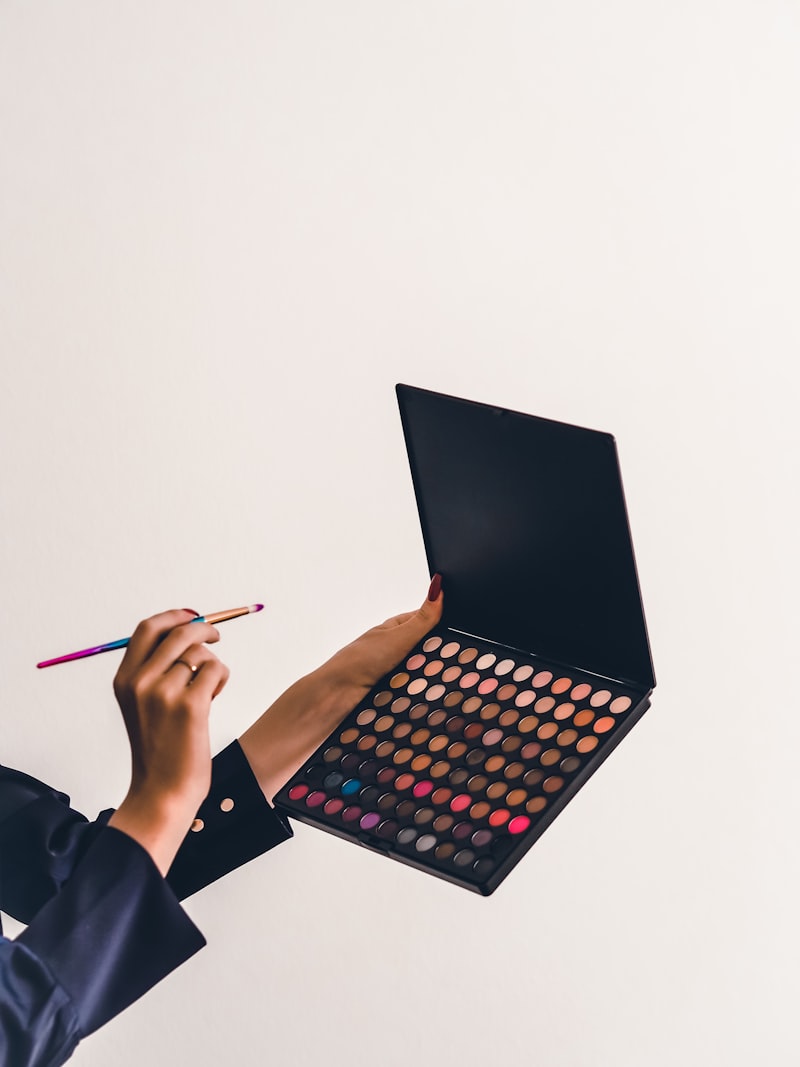
Expensive Makeup Isn't Better: Why Skill Matters More Than Price
A Certified Makeup Artist explains why technique, not the price tag on your products, is what actually determines how your makeup looks — with practical ways to improve skill first.
By Rita Almusa, Licensed Master Esthetician — 20+ years of experience
Introduction
One of the most persistent myths in beauty is that better makeup means better-looking results — that if your face doesn’t look like the tutorial you watched, the answer is to buy a more expensive foundation or a higher-end palette. As a Certified Makeup Artist and Master Esthetician, I want to push back on that directly: technique is doing far more work than price point, and understanding that can save you a genuinely significant amount of money while actually improving your results faster than upgrading products ever will.
Why This Myth Persists
Marketing for prestige and luxury makeup brands is built around the idea that formula and price correlate directly with the quality of your finished look. And to be fair, there are real formula differences between price tiers — better pigment payoff, smoother blendability, sometimes better longevity. But none of that matters if the underlying application technique isn’t there first. A skilled makeup artist can make an affordable drugstore product look polished and professional, while an unskilled application of an expensive, high-end product can still look uneven, cakey, or unblended.
What Skill Actually Covers That Products Can’t
Blending, color theory, understanding your own face shape and features, knowing how much product a specific area actually needs, and building up coverage gradually rather than applying too much at once — these are technique-driven skills, not product-driven ones. No foundation, no matter how expensive, blends itself. No eyeshadow palette teaches you which shades to place where. That knowledge comes from practice, not from a product’s price tag.
Where Product Quality Does Matter
I don’t want to overcorrect into “price never matters” — there are real differences in longevity, oxidation resistance, and pigment intensity between tiers, and those differences matter more for some products than others. Foundation and concealer, which sit on the skin for hours and need to blend seamlessly, tend to show formula quality differences more than something like an eyeshadow, where technique carries even more of the visual result. If you’re going to prioritize spending in one category, foundation and skin-focused products are usually the more justified splurge — not because a cheaper option is bad, but because formula differences show up more visibly there.
How to Actually Build Skill Instead of Buying More Products
Watching tutorials helps, but the real skill-building happens through repetition on your own face, since everyone’s features and preferences are different from whoever is demonstrating in a video. Practice with what you already own before buying anything new — most people have more usable product sitting in a drawer than they realize, and the fastest way to actually improve is repeated practice with a smaller number of products rather than constantly rotating in new ones you haven’t mastered yet.
Blending: The Single Highest-Impact Skill
If I had to name one technique that separates polished-looking makeup from unblended, obviously-applied makeup, it’s blending — at the edges of foundation, along the transition zone of eyeshadow, and where blush meets bare skin. This is a skill that costs nothing to practice and improves noticeably with repetition, regardless of what brand or price point the product came from.
The Beauty Tips Guide
20+ years as a Licensed Master Esthetician and Makeup Artist, condensed into one guide.
Why This Mindset Shift Actually Saves You Money
Once you internalize that skill drives results more than price, you stop chasing the next expensive product hoping it will fix an application issue that a product swap was never going to solve. You end up buying more intentionally — investing in the categories where formula genuinely matters more, and staying comfortable with affordable options everywhere technique is doing most of the visual work.
A Note on Confidence, Not Just Technique
Part of what makes makeup look good on camera and in person isn’t purely technical either — it’s how comfortable and confident you feel wearing it. A technically “correct” application that feels foreign to your personal style often reads as less polished than a simpler look applied with confidence and familiarity. Don’t discount that piece of the equation while you’re focused on technique.
Common Mistakes to Avoid
- Assuming a more expensive product will fix a blending or technique issue. It won’t — technique problems need technique solutions.
- Constantly buying new products instead of practicing with what you own. Repetition with a smaller set builds skill faster than rotating products.
- Skipping blending because it feels tedious. It’s the single highest-impact skill for a polished-looking result.
- Copying a tutorial exactly without adapting it to your own features. What works on someone else’s face shape may need real adjustment for yours.
Pro Tips
- Practice on days with no time pressure, not right before you need to leave — rushed practice builds bad habits faster than it builds skill.
- Prioritize spending on foundation and skin products if you’re going to splurge anywhere, since formula differences show up more visibly there than in most other categories.
- Film yourself applying makeup occasionally and watch it back — it’s a genuinely effective way to spot blending gaps you can’t see in the mirror in real time.
- Master one look fully before moving to the next. Depth of skill on a few techniques beats shallow familiarity with many.
Frequently Asked Questions
Is expensive makeup ever worth it? Yes, in specific categories — foundation and concealer especially, where formula differences in blendability and longevity show up more visibly. But it’s not a universal rule across every product type.
What’s the fastest way to improve my makeup skills without spending more money? Practice consistently with the products you already own, focus specifically on blending technique, and consider filming yourself to spot issues you might miss in a static mirror check.
Do professional makeup artists actually use drugstore products? Many do, regularly, for specific steps or looks — professional results come from technique and color theory knowledge, not exclusively from prestige-brand products.
Should beginners start with expensive or affordable makeup? Affordable is usually the smarter starting point — it removes the pressure of “wasting” an expensive product while you’re still building fundamental technique.
Conclusion
Your makeup skill will take you further than your budget ever will — technique is what turns any product, expensive or affordable, into a polished finished look. Watch the full video above for more on this mindset shift and how to apply it to your own routine. ✨
Related Posts
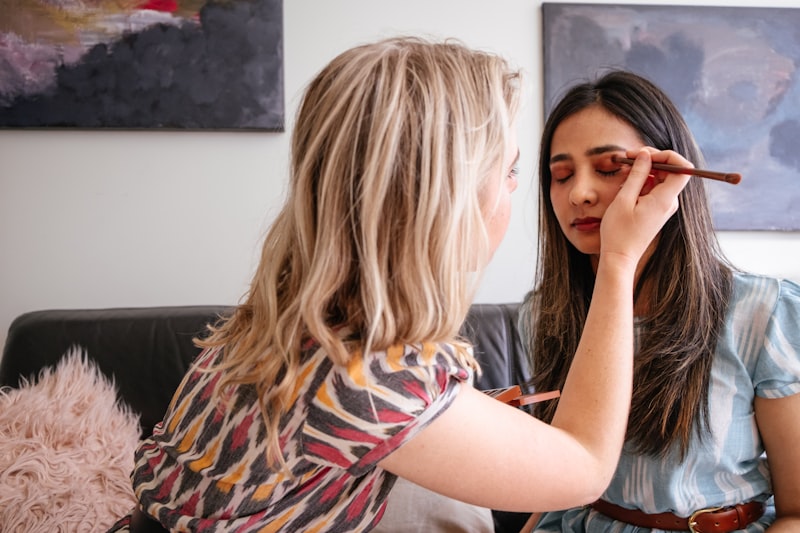
This Fall Makeup Look Works on Everyone: A Get-Ready-With-Me Tutorial
A versatile, easy fall makeup look that flatters every skin tone and eye shape — a full get-ready-with-me tutorial from base to lips.
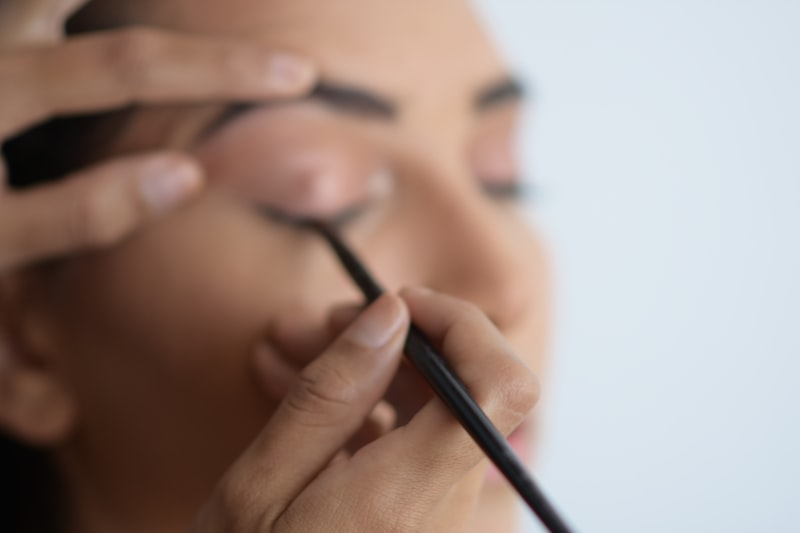
How to Get Perfect Winged Eyeliner Every Time
A step-by-step guide to consistent, symmetrical winged eyeliner — the technique, tool choice, and fixes for the most common mistakes.
Eyeshadow Tutorial for Beginners: How to Create a Soft Fox Eye Look
A beginner-friendly, step-by-step eyeshadow tutorial for the popular fox eye look — blending technique, placement, and the mistakes that ruin it.
How to Use Setting Powder: The Baking Technique for Flawless, Long-Lasting Makeup
Learn how to set your foundation and concealer with powder, plus the baking technique for makeup that lasts all day without creasing or looking cakey.