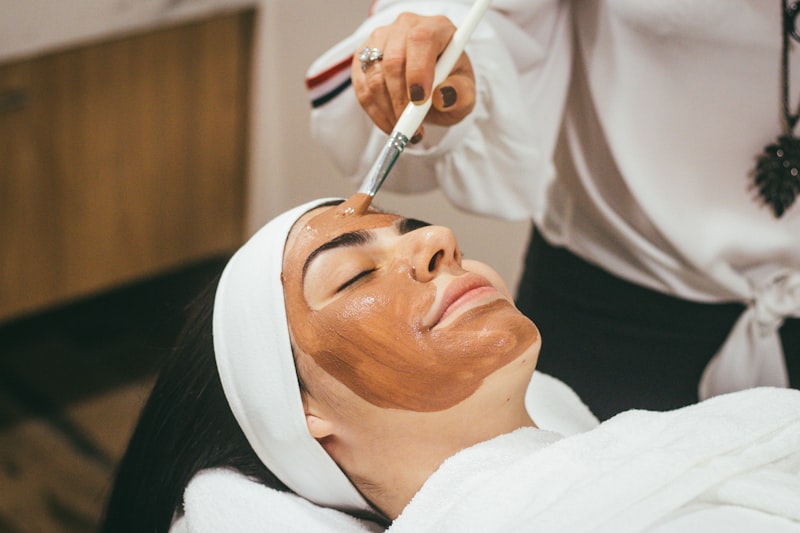
DermRays Revive Laser Review: An Esthetician's Honest, Skeptical Take
A Master Esthetician reviews the DermRays Revive at-home laser for skin rejuvenation, separating manufacturer marketing claims from realistic expectations.
Introduction
At-home laser devices for skin rejuvenation are one of the fastest-growing categories in beauty tech, and the DermRays Revive is marketed specifically for fine lines, acne scars, pigmentation, and overall radiance. As a Master Esthetician, I want to walk through what this device actually does, and apply the same skeptical, honest lens to its marketing claims that I would with any device in this more advanced category.
What Laser Skin Rejuvenation Devices Actually Do
The DermRays Revive uses laser energy to stimulate the skin’s natural repair processes, including collagen production, which is understood to gradually help with the appearance of fine lines, texture, and some pigmentation over time. This is a genuine, studied category of technology — the underlying mechanism is real, even as the marketing language around any specific device deserves scrutiny.
Evaluating “No Downtime” Claims
Marketing for at-home laser devices frequently emphasizes “no downtime,” which is worth understanding precisely: this generally means you shouldn’t expect the visible peeling or extended redness associated with more intensive in-office laser treatments, not that the device has zero effect on skin or carries zero risk of any temporary sensitivity. Mild, temporary redness immediately after use is still a reasonably common and expected response for this category of device.
Why Results “Getting Better With Each Session” Isn’t Unique Marketing
This phrase shows up across most devices in this category, and it reflects a genuinely accurate, if unremarkable, feature of how skin’s collagen-stimulation response works — cumulative, consistent use generally produces more visible results than a single session, regardless of which specific device you’re using. Treat this as an expected characteristic of the technology category, not a unique selling point of any one brand.
Realistic Expectations for At-Home Laser Devices
At-home laser devices are generally less powerful than professional, in-office equipment, which is part of why they’re safe for unsupervised home use in the first place. This means results, while genuinely possible, are typically more gradual and modest than what a licensed provider’s professional-grade laser could achieve — approach any device in this category with that realistic calibration rather than expecting professional-level transformation.
How to Use It as Safely as Possible
1. Follow the Manufacturer’s Recommended Session Frequency
More frequent use than recommended doesn’t accelerate results and can increase irritation risk unnecessarily.
2. Patch Test Before Full-Face Use
Especially important if you haven’t used a laser device before, to check how your specific skin responds.
3. Prioritize Sun Protection After Each Session
Skin can be more sensitive to UV exposure immediately after laser treatment, making consistent SPF use non-negotiable afterward.
4. Give Your Skin Real Recovery Time Between Sessions
Even with a “no downtime” device, skin still needs appropriate spacing between sessions for the repair process to work as intended.

The Beauty Tips Guide
20+ years as a Licensed Master Esthetician and Makeup Artist, condensed into one guide.
Who Should Consult a Professional First
Anyone with active skin infections, a history of keloid scarring, or who is pregnant should consult a dermatologist before using any at-home laser device, regardless of how it’s marketed. Darker skin tones should also check the device’s specific guidance on skin tone compatibility, since laser-based technology can carry different risk profiles across skin tones.
Is It Worth the Investment?
For someone specifically looking for a more advanced at-home option than LED or microcurrent, and who’s willing to use it consistently over weeks to months, this device offers a genuinely more powerful mechanism. But go in with realistic, patient expectations — this is a gradual-improvement tool, not an instant transformation, regardless of how the marketing language is framed.
Common Mistakes to Avoid
- Expecting professional-laser results from an at-home device. At-home devices are intentionally less powerful for home safety, which means more modest, gradual results.
- Treating “no downtime” as meaning zero effect on the skin. Mild, temporary sensitivity is still a reasonably expected response.
- Using the device more frequently than the manufacturer recommends. This doesn’t speed up results and increases irritation risk.
- Skipping sun protection after treatment. Skin can be more UV-sensitive immediately following a session.
Pro Tips
- Track your sessions and results with consistent photos over several weeks to actually see the gradual progress this category of device typically produces.
- Never skip SPF after a session, given increased UV sensitivity immediately following treatment.
- Patch test before your first full-face use, especially if you’re new to at-home laser devices generally.
- Consult a dermatologist first if you have any relevant skin conditions or concerns about your specific skin tone’s compatibility.
Frequently Asked Questions
Does the DermRays Revive really have no downtime? Generally yes, in the sense of avoiding the peeling or extended redness of more intensive in-office treatments, but mild, temporary sensitivity immediately after use is still a reasonably common response.
How does an at-home laser device compare to professional treatment? At-home devices are intentionally less powerful for safe home use, so results tend to be more gradual and modest than what a licensed provider’s professional-grade equipment could achieve.
How often should I use this type of device? Follow the manufacturer’s specific recommended frequency — more frequent use doesn’t accelerate results and can increase irritation risk unnecessarily.
Is this device safe for all skin tones? Check the device’s specific skin tone compatibility guidance before use, since laser-based technology can carry different risk profiles across skin tones.
Conclusion
The DermRays Revive offers a genuine, if gradual, at-home laser rejuvenation option — approach the marketing language with realistic expectations and prioritize consistent, safe use over chasing fast results. Watch the full video above for my complete review. ✨
Related Posts
I Tried a Vibrating Facial Cleansing Wand — Here's My Honest Review
An esthetician's honest review of vibrating facial cleansing wands — how they actually help your routine, and how to use one correctly.
Do Microcurrent Facial Devices Actually Work? An Esthetician's Honest Take
A licensed esthetician breaks down how microcurrent facial devices actually work, what's realistic marketing vs. hype, and what results to expect.
I Tried the Medicube AGE R Booster: Does This Viral Skincare Device Work?
An esthetician's honest review of the Medicube AGE R Booster — how electroporation skincare devices work and whether the viral K-beauty tool lives up to the hype.
Is At-Home IPL Hair Removal Safe? An Honest Ulike Air 10 Review
An esthetician's honest review of at-home IPL hair removal with the Ulike Air 10 — how it works, who it's safe for, and what results to realistically expect.