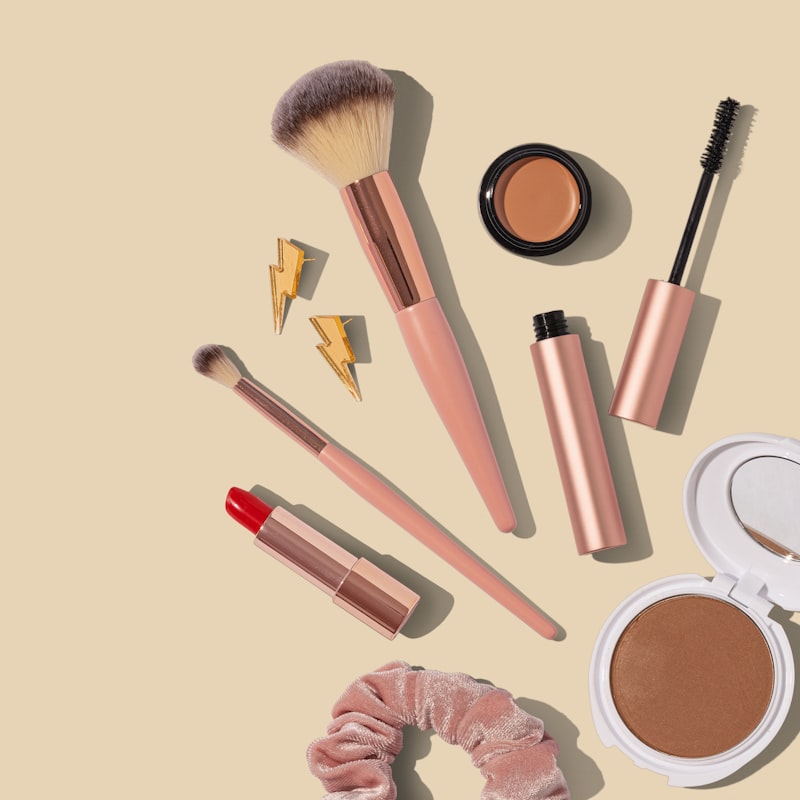
Bronzer Mistakes to Avoid: Don't Look Overdone
A Certified Makeup Artist breaks down the most common bronzer application mistakes and how to get a natural, sun-kissed finish instead of an overdone one.
Introduction
Bronzer should read as a natural, sun-kissed warmth — not an obvious, orange-toned layer sitting on top of the skin. As a Certified Makeup Artist, I want to break down the specific mistakes that push bronzer from “natural glow” into “overdone” territory, and how to fix each one.
Mistake 1: Choosing the Wrong Undertone
This is the single biggest cause of an overdone bronzer look. Bronzers with strong orange or red undertones can clash badly with cooler skin tones, reading as artificial rather than sun-kissed. Look for a bronzer with neutral to slightly warm undertones that’s close to a shade you’d naturally tan to, rather than choosing based on how dramatic the color looks in the pan.
Mistake 2: Applying Bronzer Everywhere Instead of Where the Sun Actually Hits
A common mistake is applying bronzer as an all-over wash rather than concentrating it where sunlight naturally hits the face — the forehead, the tops of the cheekbones, the bridge and tip of the nose, and the chin. This “3 or E shape” placement mimics natural sun exposure and reads far more believably than an even, all-over layer.
Mistake 3: Using Too Much Product at Once
Bronzer is genuinely easy to overdo because it’s often a dense, pigmented powder or cream. Tap off excess product from your brush before applying, and build gradually in thin layers rather than one heavy swipe — it’s always easier to add more than to correct an overdone application.
Mistake 4: Skipping the Blend at the Edges
Harsh, visible edges where bronzer stops are one of the most obvious signs of an overdone application. Take extra time blending the perimeter of wherever you’ve applied bronzer, softening any hard lines into the surrounding skin so there’s no visible demarcation.
Mistake 5: Using a Shimmery Bronzer in the Wrong Areas
Heavy shimmer bronzer applied all over, rather than in a targeted highlight area, can read as greasy or artificial rather than glowy. If you love a shimmer formula, concentrate it on the highest points of the face and use a matte bronzer for the broader contour areas — this combination gives you dimension without an all-over shine that can look overdone, especially in photos with flash.
Mistake 6: Not Considering the Season
A bronzer shade appropriate for deep summer tan skin can look jarring and mismatched in the middle of winter when your actual skin tone is lighter. Adjust your bronzer intensity and shade seasonally, the same way you might adjust foundation shade slightly with seasonal skin tone changes.
Mistake 7: Using the Wrong Brush for Your Formula
A dense, stiff brush can deposit too much bronzer too quickly, especially with a pigmented formula, making it much harder to control and build gradually. A fluffy, slightly less dense brush gives you more control for a soft, buildable application.
The Beauty Tips Guide
20+ years as a Licensed Master Esthetician and Makeup Artist, condensed into one guide.
Getting a Natural, Believable Result
Putting this all together: choose a shade close to your natural summer tan tone, apply in the areas the sun would actually hit, build gradually with a properly loaded brush, and blend the edges thoroughly. This combination is what separates a natural, sun-kissed bronzer look from an obviously “made up” one.
Common Mistakes to Avoid
- Choosing a bronzer shade based on drama rather than your own undertone. Match it to a shade close to your natural summer tan.
- Applying bronzer as an all-over wash instead of targeted placement. Concentrate it where sunlight naturally hits the face.
- Loading too much product onto your brush at once. Tap off excess and build gradually.
- Skipping blending at the edges of your application. Hard lines are one of the most obvious signs of overdone bronzer.
- Using the same bronzer intensity year-round regardless of your seasonal skin tone. Adjust seasonally for a believable result.
Pro Tips
- Test bronzer shade against your jawline in natural light, not artificial indoor lighting, to judge the true undertone.
- Use the “3 or E shape” placement — forehead, cheekbones, nose, and chin — for the most naturally sun-kissed result.
- Tap excess product off your brush before applying, especially with a pigmented or shimmery formula.
- Reassess your bronzer shade and intensity seasonally, matching it to your actual current skin tone rather than a fixed choice year-round.
Frequently Asked Questions
How do I know if my bronzer shade is wrong for me? If it consistently looks orange, muddy, or artificial rather than like a natural tan, the undertone likely doesn’t match your skin — try a more neutral-toned option.
Where should bronzer actually go on the face? Concentrate it where sunlight naturally hits: the forehead, cheekbones, bridge and tip of the nose, and chin — avoid an all-over even application.
Should I use a matte or shimmer bronzer? Matte formulas work well for broader contour areas, while shimmer is best reserved for targeted highlight points on the high planes of the face, to avoid an overall greasy or artificial look.
Do I need a different bronzer for winter versus summer? Adjusting shade intensity seasonally, to match your actual current skin tone, gives a more natural, believable result than using the same bronzer year-round.
Conclusion
Avoiding an overdone bronzer look comes down to shade selection, targeted placement, and thorough blending — not avoiding bronzer altogether. Watch the full video above for the complete demonstration. ✨
Related Posts

This Fall Makeup Look Works on Everyone: A Get-Ready-With-Me Tutorial
A versatile, easy fall makeup look that flatters every skin tone and eye shape — a full get-ready-with-me tutorial from base to lips.
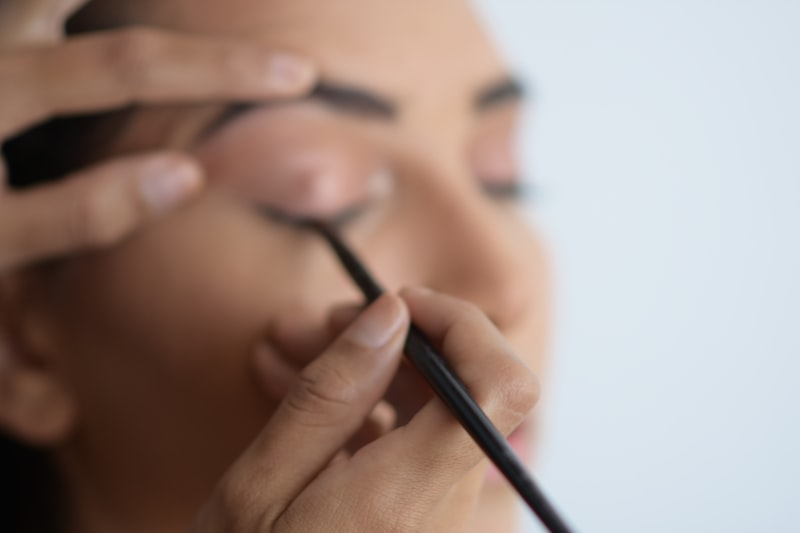
How to Get Perfect Winged Eyeliner Every Time
A step-by-step guide to consistent, symmetrical winged eyeliner — the technique, tool choice, and fixes for the most common mistakes.
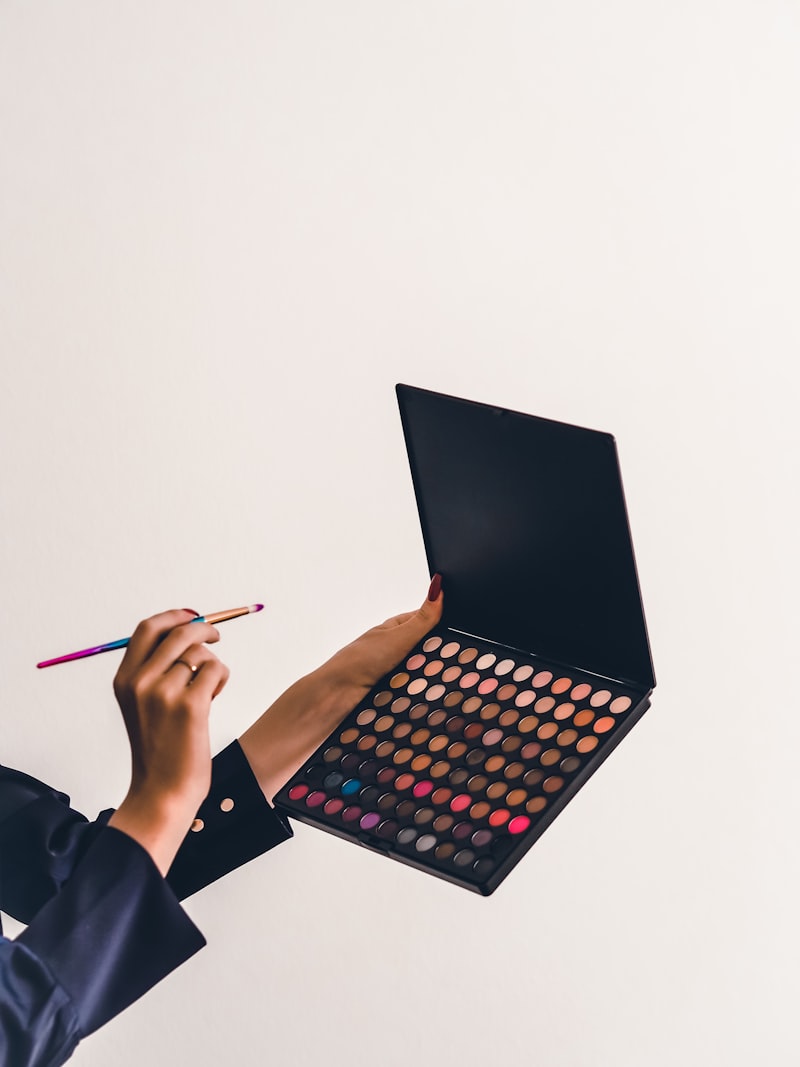
Eyeshadow Tutorial for Beginners: How to Create a Soft Fox Eye Look
A beginner-friendly, step-by-step eyeshadow tutorial for the popular fox eye look — blending technique, placement, and the mistakes that ruin it.
How to Use Setting Powder: The Baking Technique for Flawless, Long-Lasting Makeup
Learn how to set your foundation and concealer with powder, plus the baking technique for makeup that lasts all day without creasing or looking cakey.