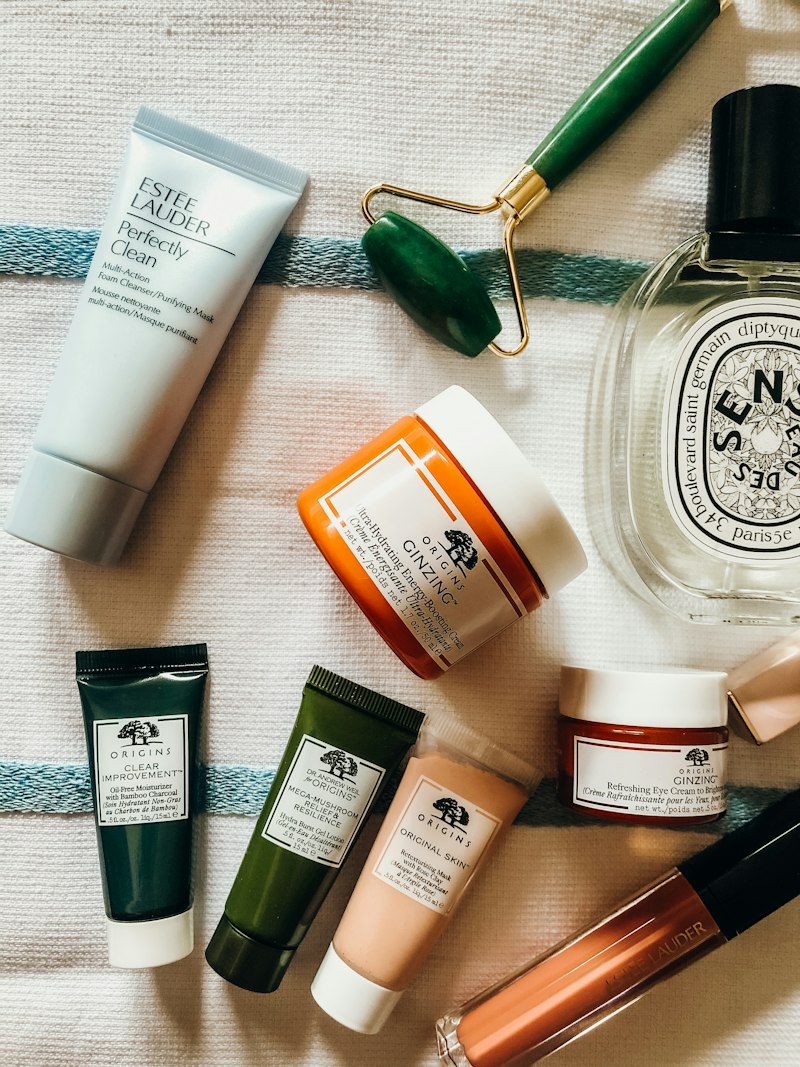
The 12-Step Facial Routine That Can Transform Your Skin
A Master Esthetician breaks down a complete 12-step facial routine, in the correct order, for anyone who wants a genuinely thorough approach to at-home skincare.
By Rita Almusa, Licensed Master Esthetician — 20+ years of experience
Introduction
A full 12-step facial routine sounds intense, but it’s less about complexity and more about correct order — layering products from thinnest to thickest, water-based to oil-based, so each step actually works instead of getting blocked by the one before it. As a Master Esthetician, I want to break this down step by step so you understand not just what to do, but why the order matters as much as the products themselves.
Step 1: Oil Cleanse
Start by dissolving makeup, sunscreen, and the day’s buildup of sebum with an oil-based cleanser. This first pass focuses on removing what sits on the surface rather than deep-cleaning the pores yet — that comes next.
Step 2: Water-Based Cleanser
Follow with a gentle, water-based cleanser to remove any remaining residue and actually clean the skin itself, not just what’s sitting on top of it. This two-step “double cleanse” approach is standard professional practice for a reason — it’s more thorough than either step alone.
Step 3: Exfoliation
A few times a week rather than daily, gentle exfoliation — chemical or a very light physical option — helps remove dead skin cells that can make the rest of your routine sit less effectively on the skin’s surface. Skip this step on days you’re not exfoliating rather than forcing it in daily.
Step 4: Toner
Toner rebalances the skin’s pH after cleansing and preps it to better absorb everything that follows. Look for a hydrating, alcohol-free formula rather than an old-style astringent toner, which tends to be unnecessarily stripping for most skin types.
Step 5: Essence
An essence is a lightweight, hydrating step that sits between toner and serum, designed to add another layer of hydration and help subsequent products absorb more effectively. It’s a step borrowed from K-beauty routines that’s become widely adopted because it genuinely improves how the rest of the routine performs.
Step 6: Treatment Serums
This is where targeted actives come in — vitamin C, niacinamide, or other ingredients addressing your specific concerns like dark spots, texture, or dullness. Apply serums from thinnest to thickest consistency, and don’t layer too many active ingredients at once if you’re newer to a more involved routine.
Step 7: Eye Cream
The skin around the eyes is thinner and needs its own dedicated, gentler formula rather than whatever heavier cream you’re using on the rest of the face. Apply with a light tapping motion rather than dragging or rubbing, since this area is more prone to irritation from friction.
Step 8: Spot Treatment
If you’re dealing with an active breakout, apply a targeted spot treatment now, directly onto the area, before your broader moisturizing steps. Applying it after a heavy moisturizer or oil can prevent it from making proper contact with the skin.
Step 9: Moisturizer
A well-formulated moisturizer locks in everything applied underneath and reinforces your skin barrier. Choose a texture appropriate for your skin type and the season — a lighter gel-cream in warmer months, a richer cream in colder, drier conditions.
Step 10: Facial Oil
If your routine includes a facial oil, it goes near the very end, since oils create a barrier that can block absorption of anything applied after them. This step adds an extra layer of nourishment and can help lock in hydration from every step before it.
The Beauty Tips Guide
20+ years as a Licensed Master Esthetician and Makeup Artist, condensed into one guide.
Step 11: SPF (Morning Only)
In the morning, SPF is the actual final and most important step — no amount of serum or treatment product matters if unprotected sun exposure is undoing your progress daily. This step doesn’t apply to a nighttime version of this same routine.
Step 12: Facial Massage or Tool
Finish with a few minutes of facial massage, using your hands or a tool like a roller, to help with product absorption, circulation, and a genuinely relaxing close to the routine. This step is optional but adds real value beyond what the products alone provide.
You Don’t Need All 12 Steps Every Day
This full routine is meant as a framework, not a daily obligation — a simplified four or five-step version covering cleanse, treat, moisturize, and protect will serve most people well most days. Save the fuller 12-step version for when you have the time and want a more thorough, spa-like at-home session.
Common Mistakes to Avoid
- Skipping the double cleanse and going straight to a single cleanser. This leaves residue that can interfere with everything applied after.
- Applying facial oil before your water-based serums. Oils block absorption of anything layered on top of them.
- Layering too many active ingredients at once. This increases irritation risk without proportionally increasing benefit.
- Forgetting SPF is the actual final step in the morning, not an optional add-on.
- Feeling obligated to do all 12 steps daily. A simplified version most days, with the full routine occasionally, is a realistic approach.
Pro Tips
- Apply products in order of thinnest to thickest consistency as a general rule if you’re ever unsure where a new product fits in your routine.
- Give each layer a minute to absorb before applying the next, rather than piling everything on at once.
- Reserve the full 12-step routine for evenings when you have time, and simplify on busy mornings.
- Patch test any new active ingredient before adding it into a routine this layered, since it’s harder to isolate the cause of irritation with more products involved.
Frequently Asked Questions
Do I really need all 12 steps every single day? No — this is a framework for a thorough routine, not a daily requirement. A simplified core routine most days, with the full version occasionally, works well for most people.
What’s the most important step if I only have time for a few? Cleansing, a targeted treatment serum, moisturizer, and SPF in the morning cover the essentials if you need to simplify.
In what order should I apply multiple serums? Generally thinnest to thickest consistency, and water-based before oil-based, regardless of how many serum steps you’re using.
Is a 12-step routine too much for sensitive skin? It can be, especially with multiple active ingredients layered together. Sensitive skin often does better with a simplified version and fewer active ingredients introduced at once.
Conclusion
A full facial routine isn’t about doing the most steps possible — it’s about understanding the correct order so each step actually works as intended. Watch the full video above for the complete walkthrough of this routine in action. If you want this level of step-by-step detail across skincare and makeup in one place, I put my full approach together in The Beauty Tips Guide. ✨
Related Posts
My Nighttime Skincare Routine: An At-Home Facial Anyone Can Do
A licensed esthetician's full nighttime skincare routine — a step-by-step at-home facial ritual for glowing skin, in the right order.
At-Home Face Waxing: A Master Esthetician's Safety-First Guide
A licensed Master Esthetician's step-by-step guide to safely waxing facial hair at home, including who should avoid it and how to prevent irritation.
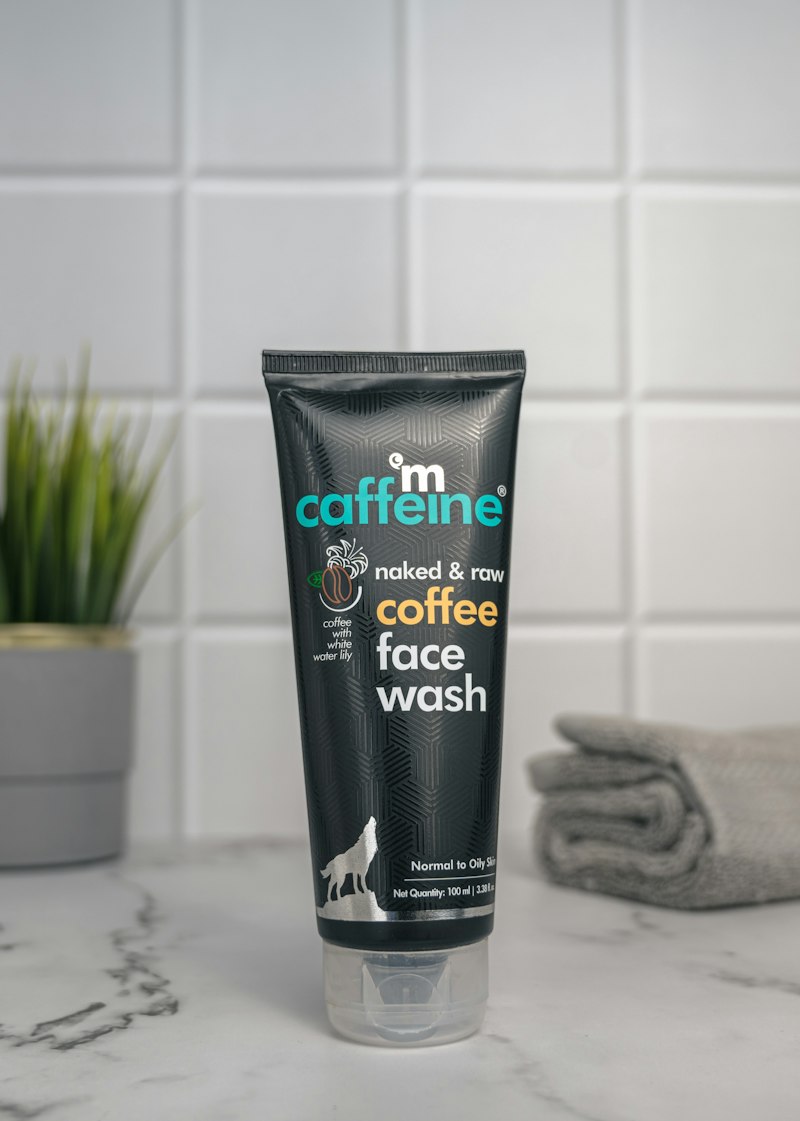
How to Remove All Your Makeup Without Drying Out Your Skin
A Master Esthetician explains how to choose and use a gentle cleanser that fully removes makeup without stripping or drying out your skin.
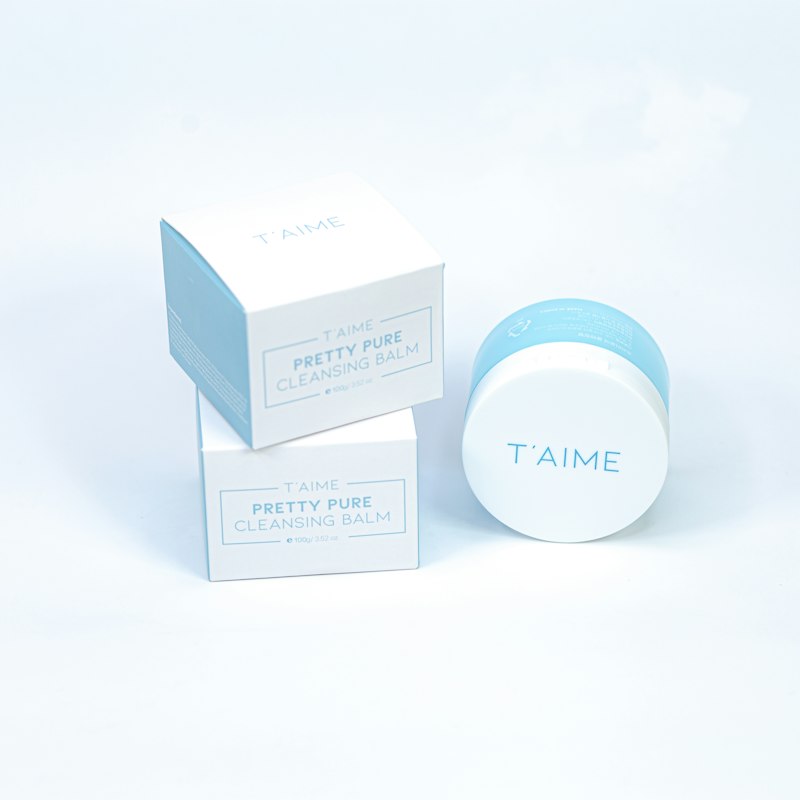
How to Actually Unclog Pores: An Esthetician's Real Routine
A Master Esthetician explains what actually unclogs pores versus what's just marketing, and how to build a genuinely effective pore-clearing routine.