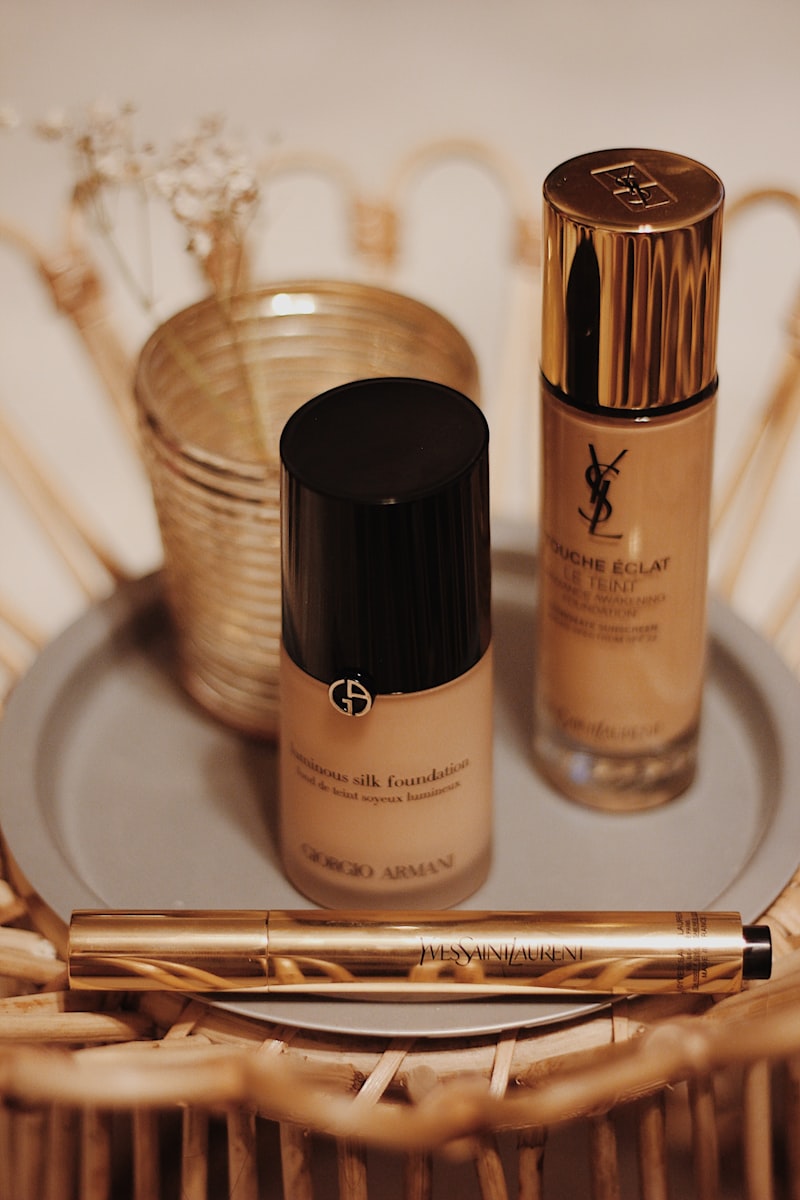
Makeup Primers That Actually Prevent Clogged Pores
A Master Esthetician explains how to choose a makeup primer that won't clog pores, what ingredients to watch for, and how to apply it correctly.
By Rita Almusa, Licensed Master Esthetician — 20+ years of experience
Introduction
Primer is supposed to smooth and prep skin for makeup, but the wrong formula can genuinely contribute to clogged pores and breakouts over time, which defeats the purpose of a step meant to improve your skin’s canvas. As a Master Esthetician, I want to walk through how to choose a primer that actually works with your skin rather than against it, and how to apply it correctly regardless of which formula you choose.
What “Non-Comedogenic” Actually Means
Non-comedogenic means a product is formulated to be less likely to clog pores, but this isn’t a strictly regulated or standardized term across brands, so it’s worth treating as a helpful signal rather than an absolute guarantee. Even a product labeled non-comedogenic can still cause issues for some individual skin types, since pore-clogging potential varies person to person, not just product to product.
Ingredients Worth Watching For
Certain ingredients have a higher documented likelihood of clogging pores for some people, including certain heavy silicones, some waxes, and specific oils like coconut oil in a high concentration. This doesn’t mean every product containing these ingredients will cause a breakout for everyone, but if you’re acne-prone and testing primers, these are reasonable ingredients to watch for and patch test carefully.
Silicone-Based Primers: Not Automatically the Enemy
Silicone-based primers get an unfairly bad reputation in some skincare circles, but the reality is more nuanced — silicones create a smooth, blurred finish and generally sit on top of the skin rather than absorbing into it, which for many people doesn’t actually clog pores the way genuinely comedogenic oils can. If a silicone primer has worked well for your skin without breakouts, there’s no need to switch based on general online concern alone.
Water-Based vs. Oil-Based Primers
Water-based primers are generally a safer starting point for acne-prone or breakout-concerned skin, since they tend to feel lighter and are less likely to trap oil against the skin. Oil-based primers can work well for genuinely dry skin types that need the extra richness, but are worth more caution if you’re specifically trying to avoid clogged pores.
How to Properly Test a New Primer
Patch test any new primer on a small area, like along the jawline, for several days before applying it to your entire face. Breakouts from a new product don’t always show up immediately — give it a genuine trial period of at least a week or two of consistent use before deciding whether it’s actually working well for your skin.
Applying Primer the Right Way
Apply primer to clean, fully moisturized skin, giving your moisturizer a few minutes to absorb before layering primer on top. Use a thin, even layer — more primer doesn’t create better makeup adhesion, and a heavy layer can actually increase the likelihood of it mixing poorly with foundation or contributing to a clogged, congested feeling later in the day.

The Beauty Tips Guide
20+ years as a Licensed Master Esthetician and Makeup Artist, condensed into one guide.
Removing Primer Properly at the End of the Day
Regardless of which formula you choose, thorough cleansing at the end of the day matters enormously for pore health. A proper double cleanse — an oil or balm cleanser followed by a water-based one — removes primer, foundation, and the day’s buildup far more completely than a single quick cleanse, which is often the real culprit behind ongoing breakouts blamed on a specific primer.
When to See a Professional Instead
If you’re consistently breaking out despite testing several different primer formulas and maintaining proper cleansing habits, the issue may be less about primer choice and more about an underlying skin concern worth addressing with a licensed esthetician or dermatologist directly, rather than continuing to cycle through products on your own.
Common Mistakes to Avoid
- Assuming “non-comedogenic” is an absolute guarantee. It’s a helpful signal, not a strict guarantee for every individual skin type.
- Blaming primer for breakouts caused by incomplete cleansing. A proper double cleanse at the end of the day matters enormously for pore health.
- Applying a heavy layer of primer, thinking more means better makeup adhesion. A thin, even layer works just as well and reduces congestion risk.
- Switching primers too quickly without a real trial period. Give a new formula at least a week or two before judging its effect on your skin.
Pro Tips
- Patch test new primers on your jawline for several days before full-face application.
- Choose water-based formulas as a starting point if you’re specifically concerned about clogged pores or breakouts.
- Double cleanse every night, regardless of which primer you use, to remove product buildup thoroughly.
- Consult a professional if breakouts persist despite testing multiple formulas and maintaining proper cleansing habits.
Frequently Asked Questions
Are silicone-based primers bad for acne-prone skin? Not necessarily — silicones generally sit on top of the skin rather than clogging pores, and many people with acne-prone skin use them without issue. Individual tolerance varies, so patch testing is still worthwhile.
How long should I test a new primer before deciding if it works for my skin? At least a week or two of consistent use, since breakout reactions to a new product don’t always appear immediately.
Is oil-based or water-based primer better for oily, acne-prone skin? Water-based primers are generally a safer starting point for oily or acne-prone skin, since they tend to feel lighter and are less likely to trap oil against the skin.
Could my primer not actually be the cause of my breakouts? Yes — incomplete cleansing at the end of the day is a common, overlooked cause of ongoing breakouts that often gets misattributed to whatever primer or foundation was worn that day.
Conclusion
Choosing a primer that won’t clog pores comes down to understanding your own skin’s tolerance, patch testing new formulas properly, and maintaining thorough cleansing habits regardless of which primer you choose. Watch the full video above for more on building this into your routine. ✨
Related Posts
Get Flawless, Glowing Skin Without Highlighter
A Master Esthetician busts the highlighter myth for textured skin, and shares how to achieve a genuinely radiant, glowy finish without it.
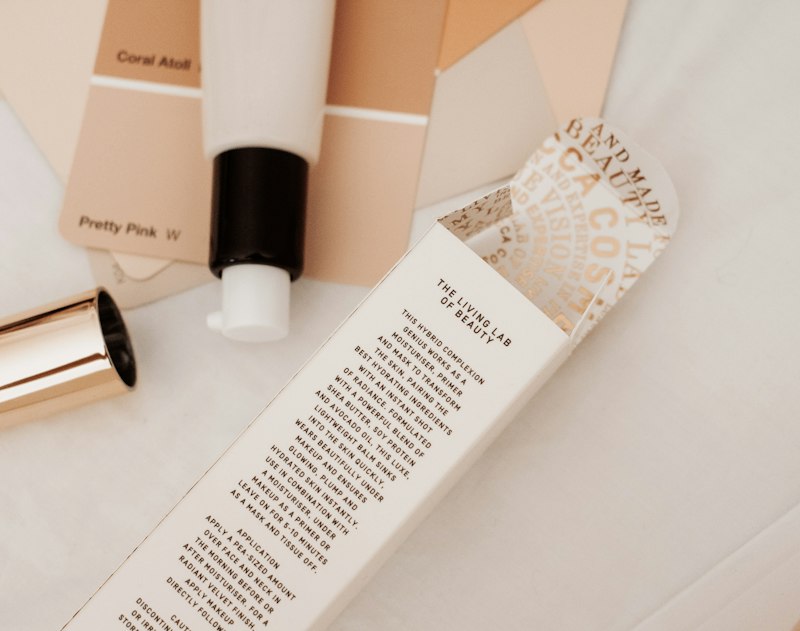
The Best Hydrating Foundation for Mature or Dry Skin
A Master Esthetician explains what to look for in a hydrating foundation for mature or dry skin, and how to apply it for a natural, flawless finish.
How to Wear Matte Lipstick Without Dry, Flaky Lips
A Master Esthetician's hydration hack for wearing matte lipstick comfortably, even with naturally dry lips, without sacrificing the finish.
Your Makeup Is Only as Good as Your Skincare
A Master Esthetician explains why skincare, not makeup technique alone, is the real foundation of a flawless-looking base — and how to prioritize it.